Author: Mayla Odom
Hog head cheese, better known as souse, has a history of being recognized as a traditional delicacy within black communities. But why did this dish become so meaningful?
During slavery, enslaved blacks were often given what were considered the less desirable parts of the pig. Families still had to survive and provide meals for their loved ones, so they used creativity, knowledge, and skill to transform what they had into something nourishing. Souse was often prepared during special occasions such as Thanksgiving, Christmas, or community gatherings like BBQs. Like many parents throughout history, they made sure nothing went to waste. They took what was available and “made something shake.”
Traditionally, hogs were often processed during the colder months because cooler temperatures made it safer to handle and preserve the meat. Families found ways to stretch the food supply, and souse became a treat that could last throughout the winter months. Many enjoyed it with saltine crackers, making a simple but meaningful meal that connected families to their traditions and resourcefulness.
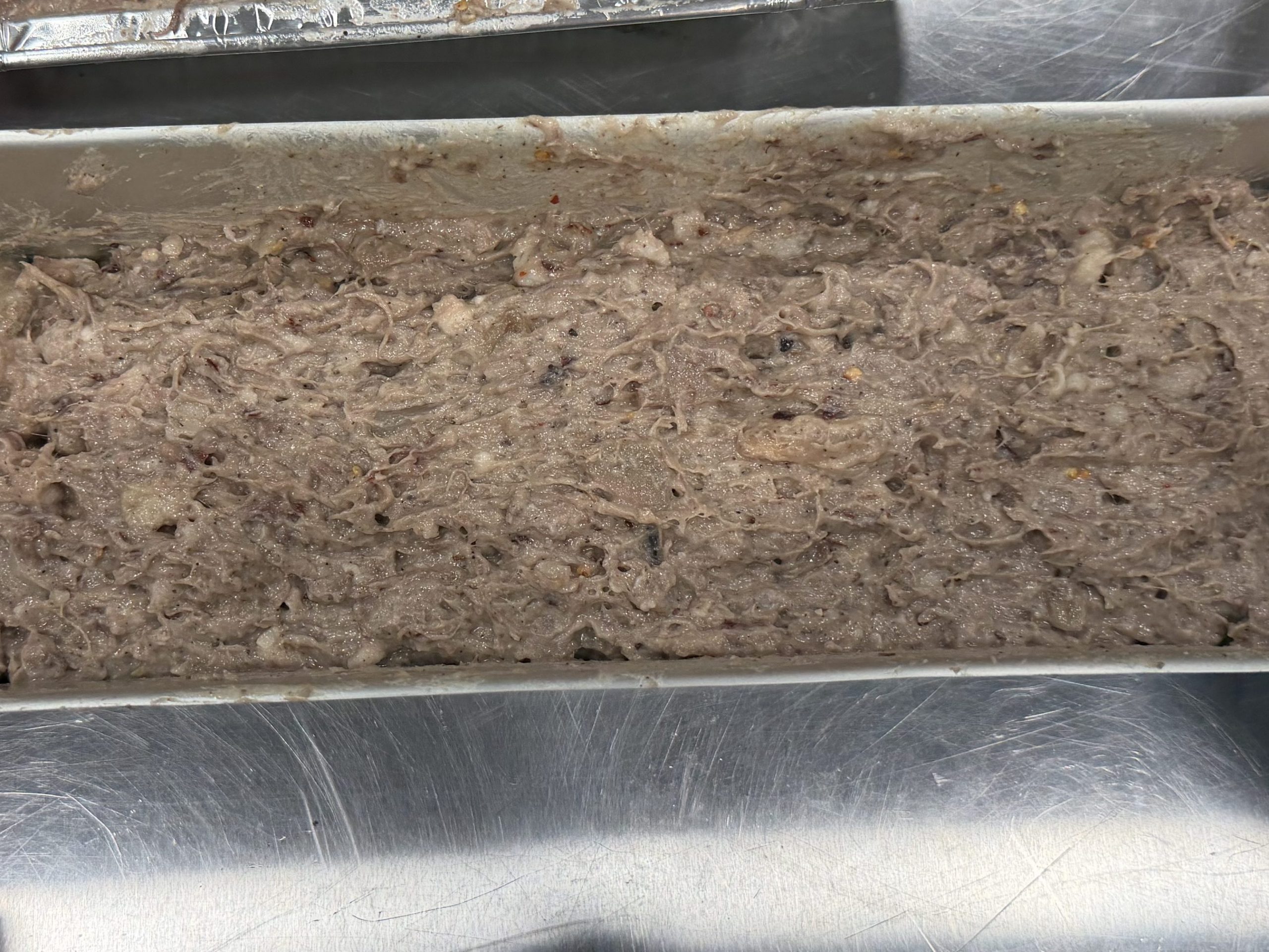
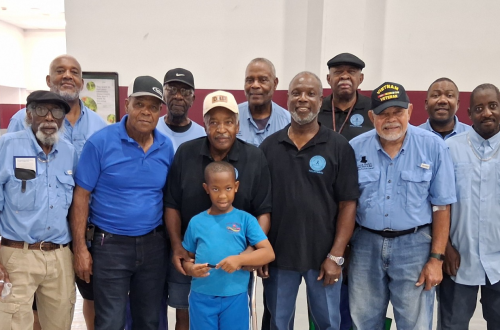
On June 11, 2026, at the Winston County Self Help Campus, the Winston County Self Help Cooperative hosted a demonstration on making souse. The demonstration was led by Ms. Shelia Graham, who shared the traditional preparation process. Before the event, Ms. Graham prepared the hog’s head at home by thoroughly cleaning it, then boiling the meat with seasoning salt and pepper until it became tender enough to pull apart and remove the bones.
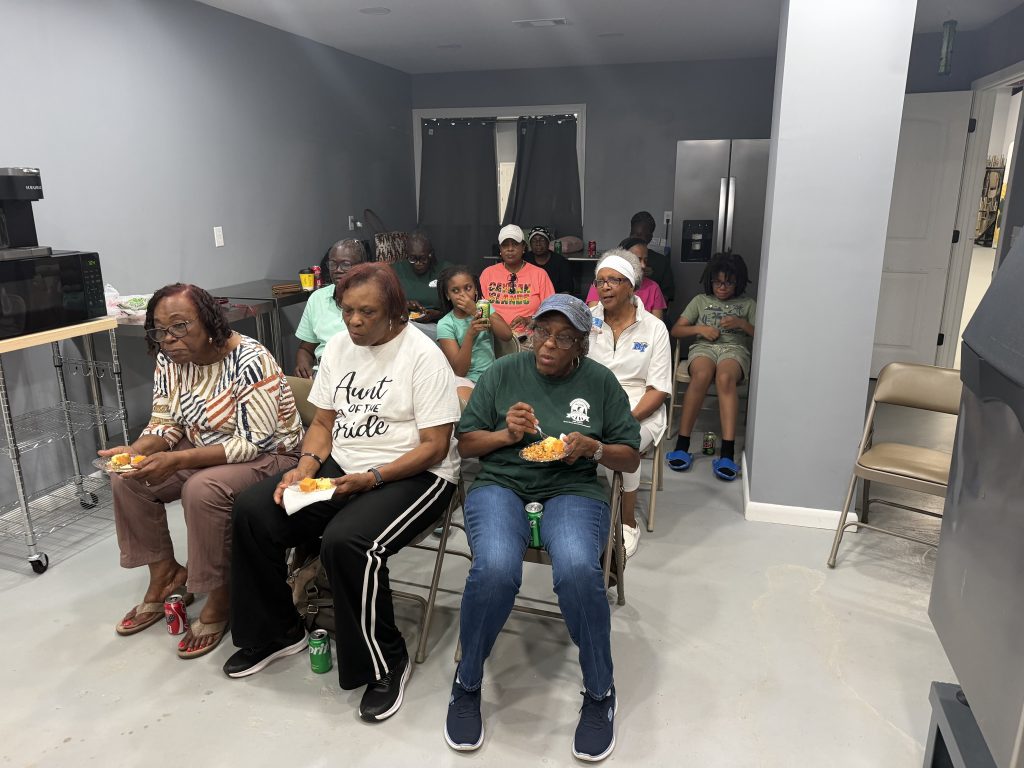
Malean Haynes reflected on the experience, saying, “My mama used to make souse all the time for people. I don’t like it personally, but it’s good knowledge for people. These workshops really bring me back to the memories of my mom being in the kitchen.”
Once the meat was prepared, she incorporated the boiled pig’s feet and ears from the hog’s head into the mixture. The pig feet and ears add a natural gelatinous quality that helps the souse firm up, allowing it to be sliced and served. Ms. Graham then added vinegar, sage, and red pepper flakes to complete the mixture. The red pepper flakes are optional and can be adjusted depending on how spicy someone enjoys their souse.
Participants learned not only the steps involved in making the dish but also its history, cultural significance, and generations of knowledge associated with this culinary tradition.
Food like this carries history, resilience, and the wisdom of those who came before us.
Thank you to Ms. Shelia for sharing her knowledge and passing it down to generations.