By: Mayla Odom
Poke salad, better known as pokeweed, has been used for generations as both a food source and a traditional remedy. Within black communities, food was often viewed as medicine, and the knowledge was passed down from one generation to the next. Pokeweed was commonly found growing near hog pens. What some saw as a weed, our ancestors recognized as food and medicine.
Although pokeweed is naturally poisonous, people learned how to process it to make it edible. Only the young shoots and leaves are typically used, and they must be prepared carefully. Traditionally, the greens are boiled and drained three times, with fresh water used for each boiling. This process helps remove harmful toxins and makes the plant safe for consumption.
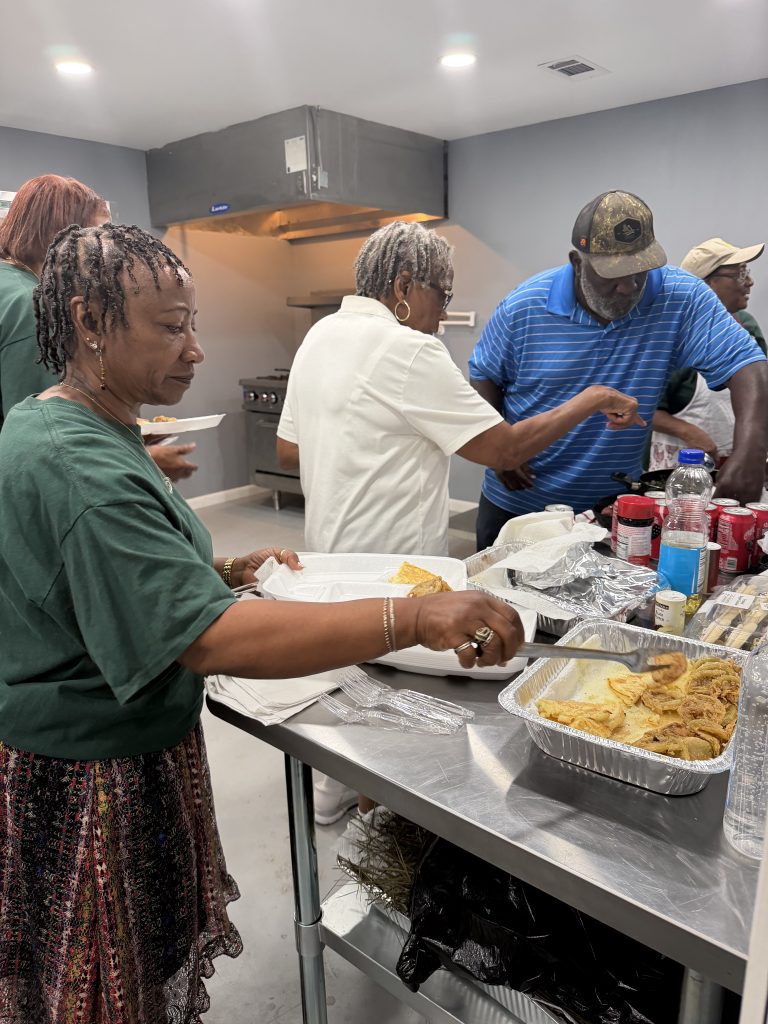
On June 5, 2026, at 11:30 am, the Winston County Self Help Cooperative members, Arlexis Yarbrough and Emma Goss, along with Ms. Yarbrough’s cousin, Alexander Cunningham, gathered to do a demonstration on how to serve pokeweed and make it into some delicious greens.
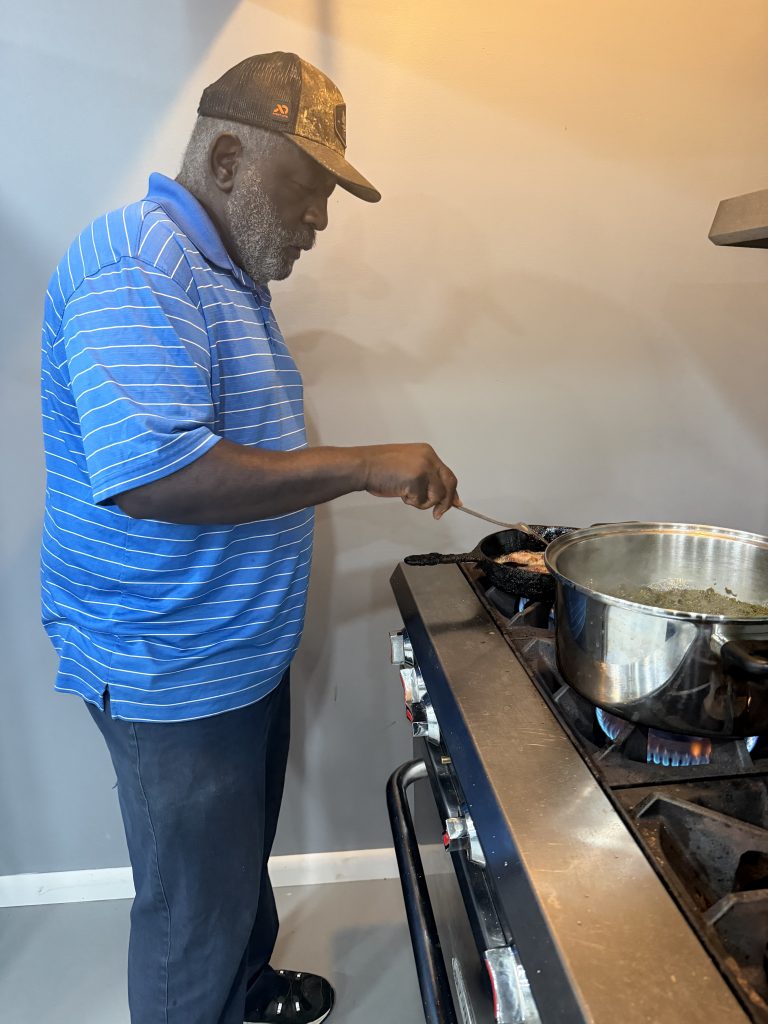
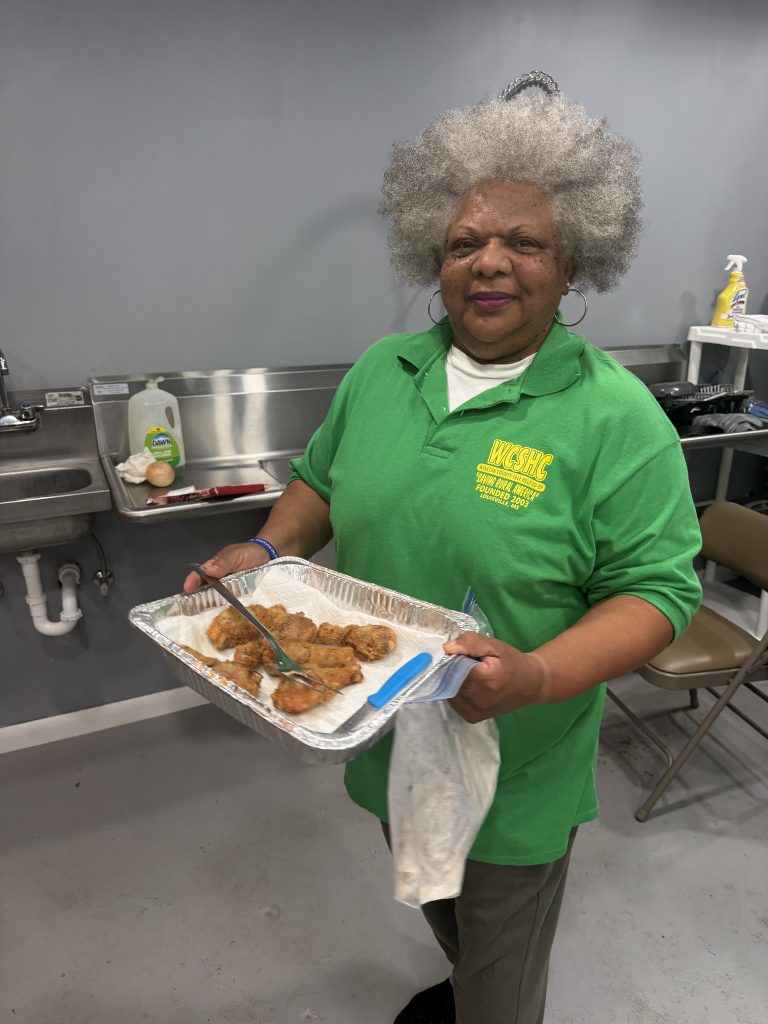
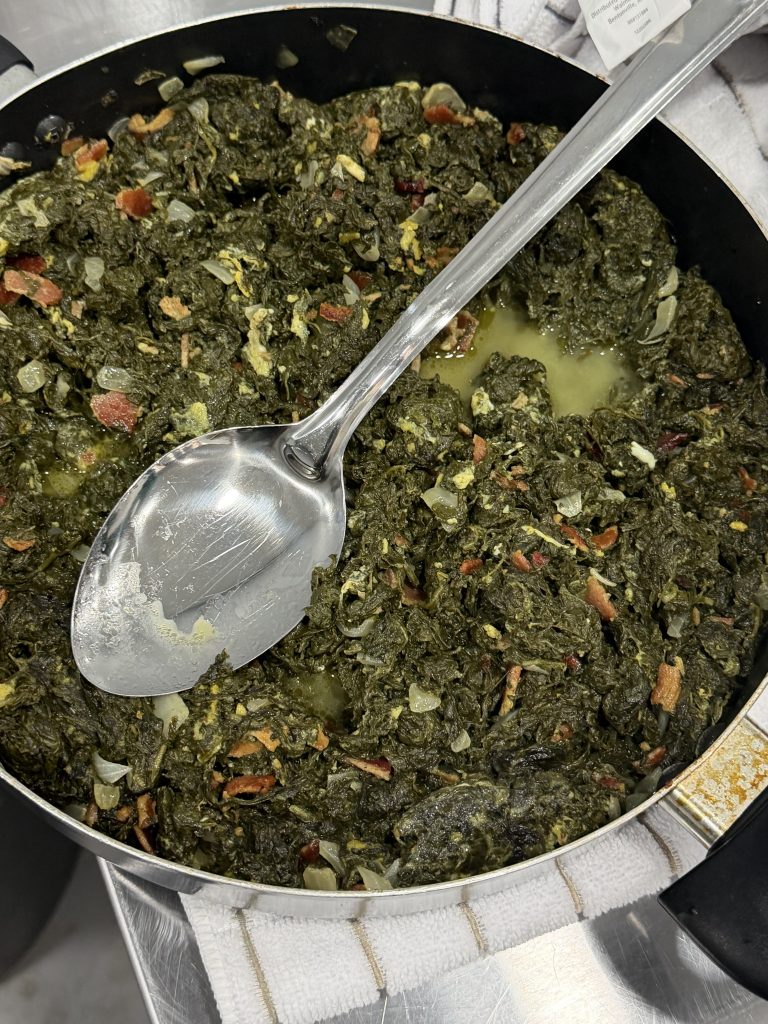
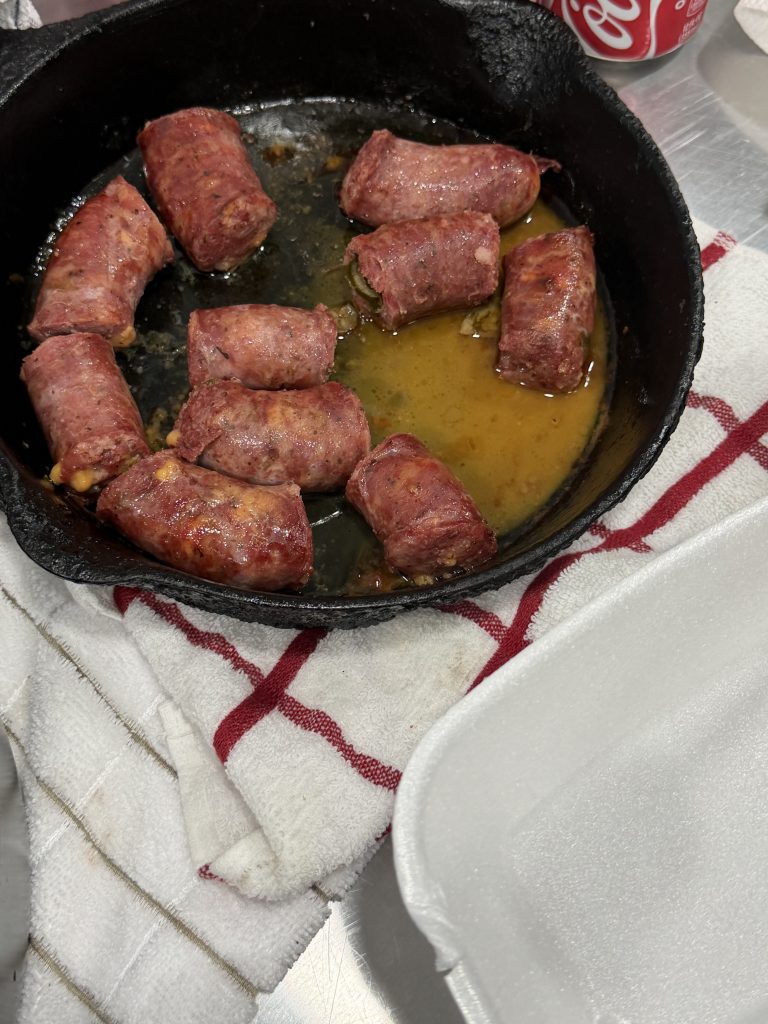
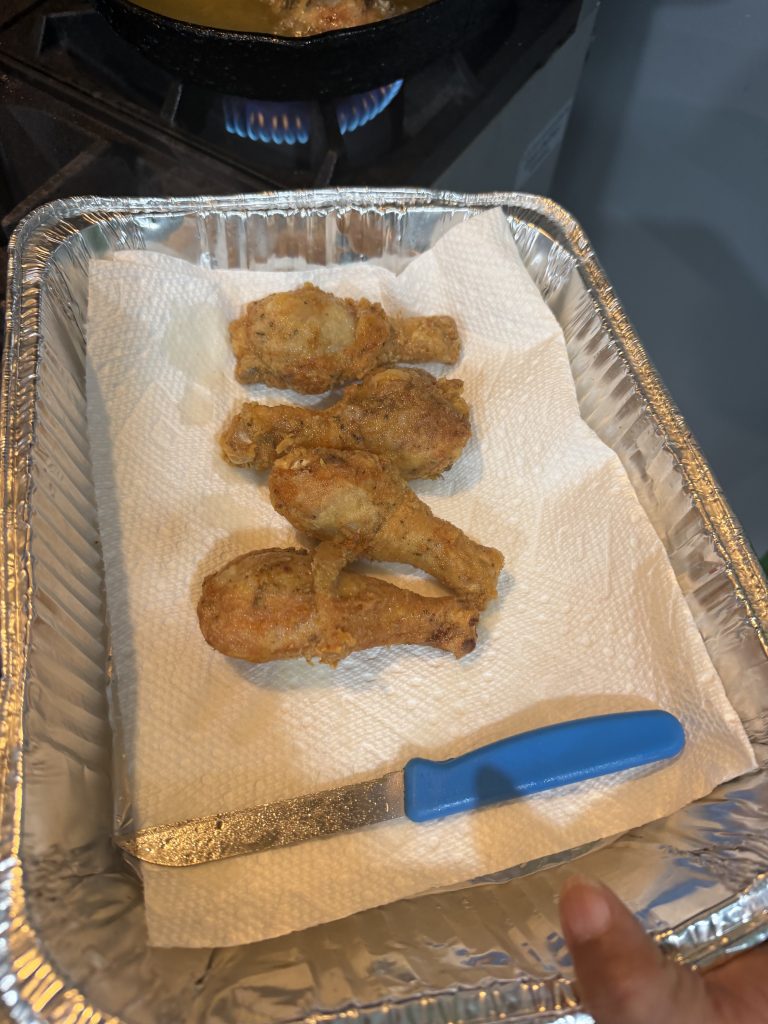
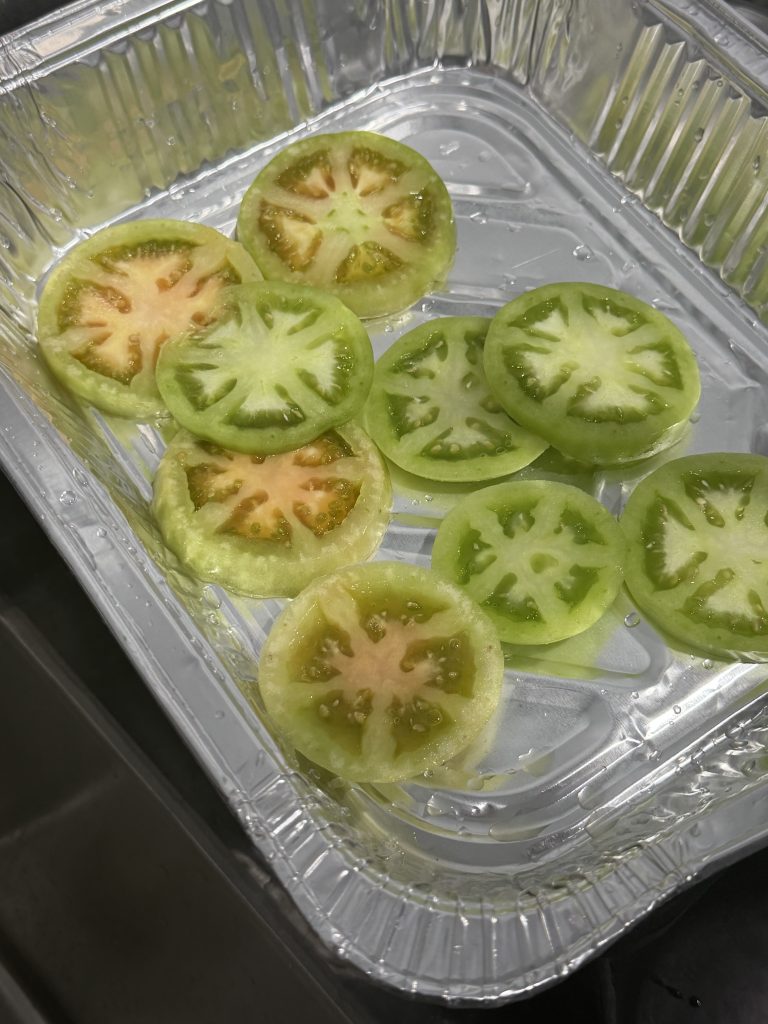
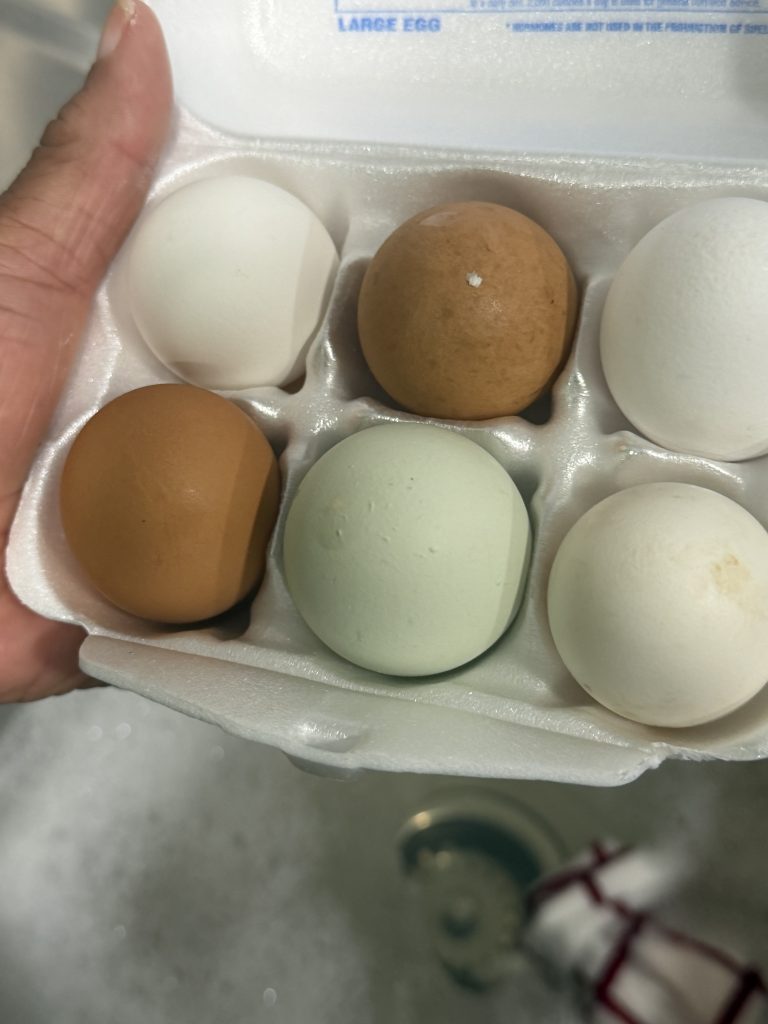
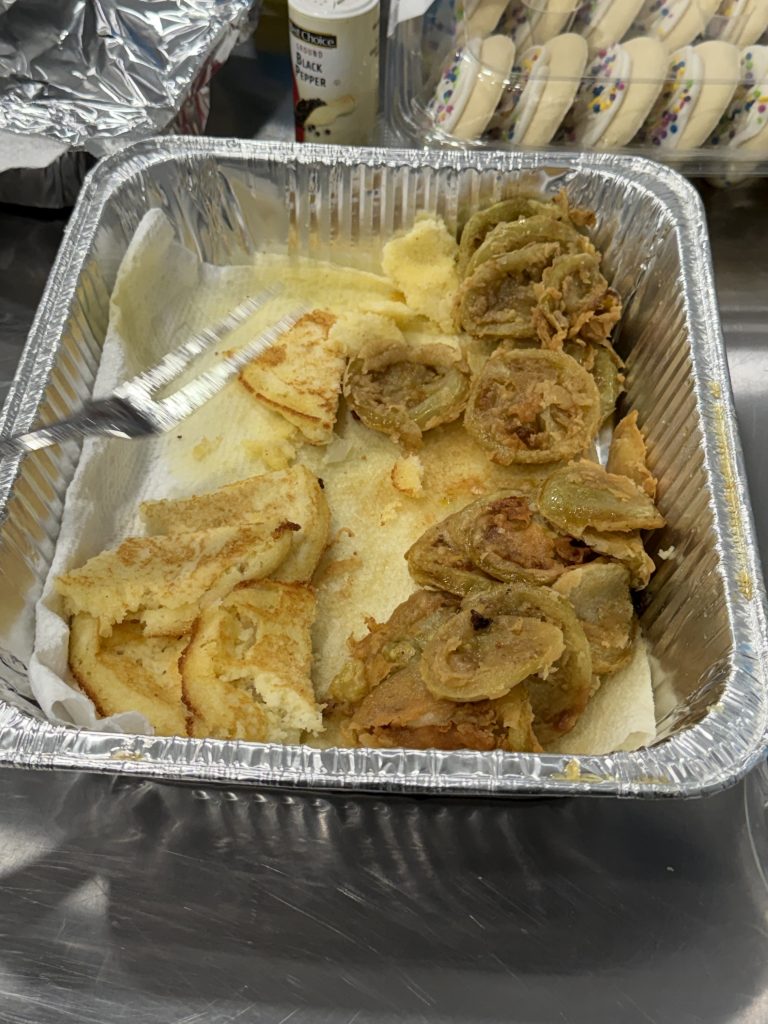
Mr. Cunningham prepared bacon while the poke weed boiled for its final boil. Once the bacon was done and the poke weed was finished, he started adding bacon, onion, and egg for color. There was also a plethora of other dishes made. Ms. Arlexis stayed busy in the kitchen, making fried chicken, hot-water cornbread with onions, jalapeño deer sausage, and fried green tomatoes harvested from the WCSHC hoophouse.
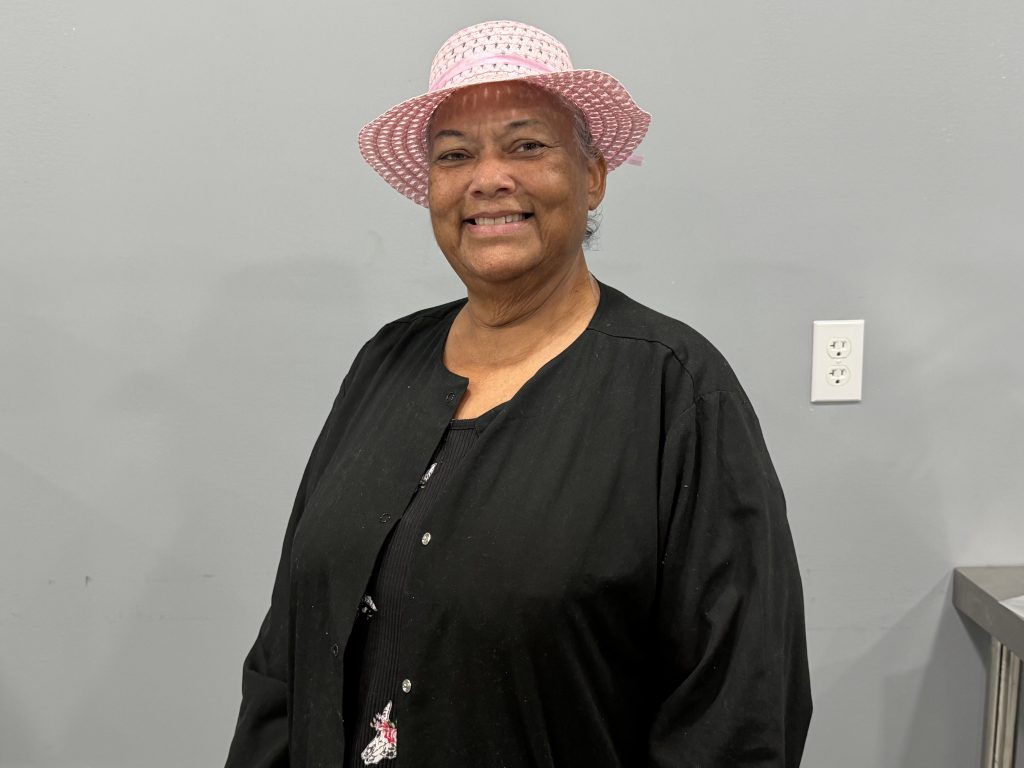
Ms. Carolyn Thames stated, “Best poke salad I’ve had in 20 years; the cook did a wonderful job. Everything was delicious!”
The meal was exceptional, and we want to thank Ms. Arlexis and Mr. Cunningham for it. Events like this remind us of the importance of traditional foodways and preservation practices that helped our ancestors survive and thrive.