Author: Mary Ann Kelly
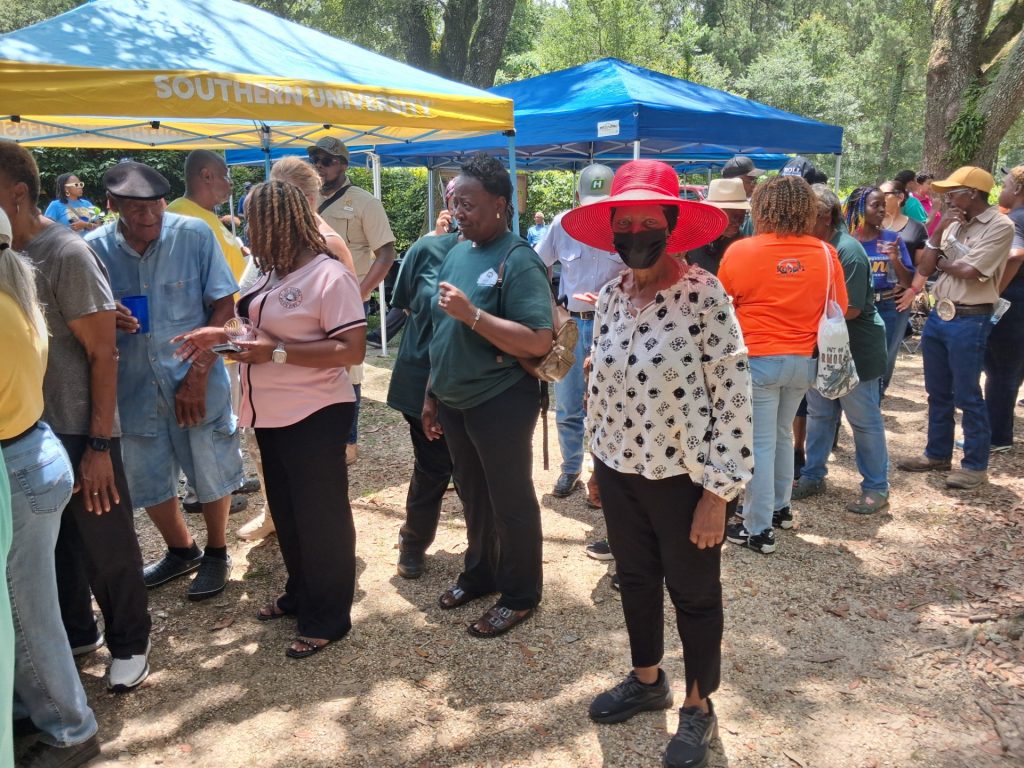
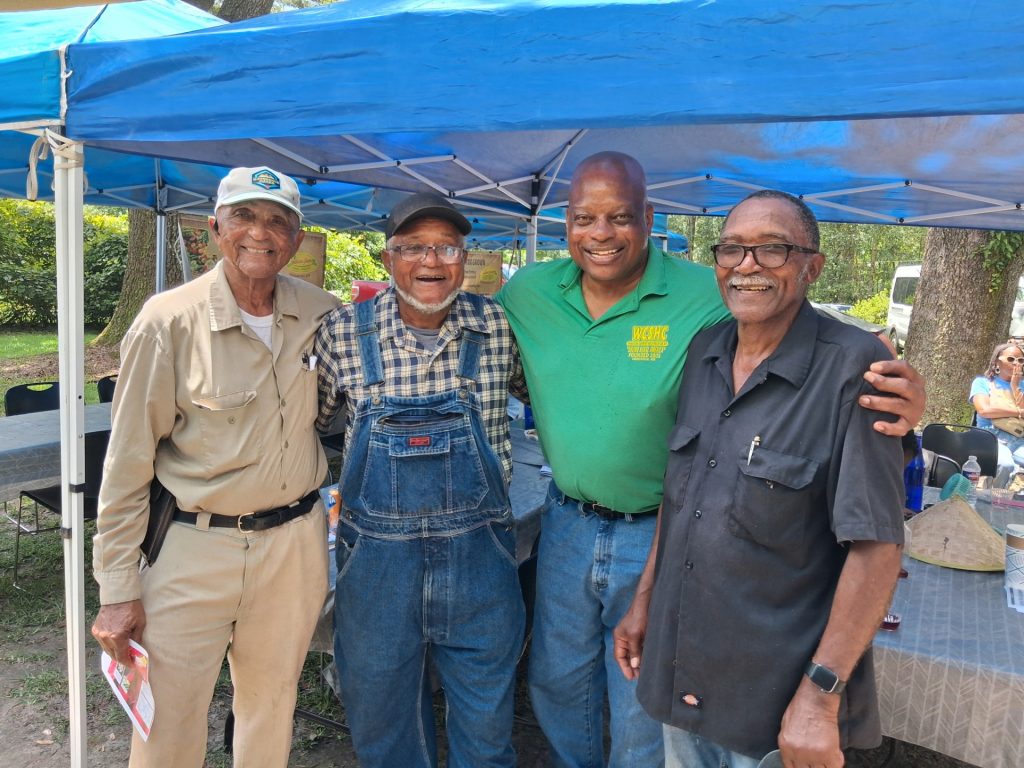
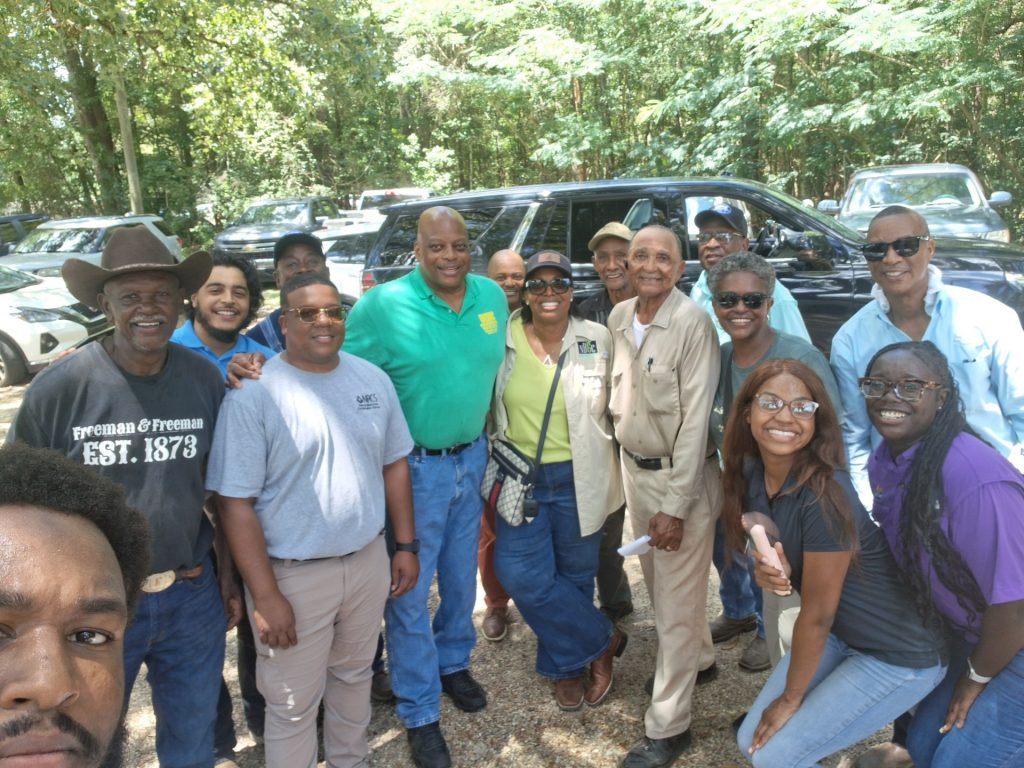
The Winston County Self-Help Cooperative (WCSHC) demonstrated its commitment to agricultural development and community support by participating in the Warner Hall Farm Spring Field Day. This involvement highlights the organization’s ongoing efforts to foster growth among local farmers and to engage with initiatives that promote collaborative learning and advancement. Through its presence at the event, WCSHC continues to play a vital role in supporting farmers and strengthening community ties within the agricultural sector.
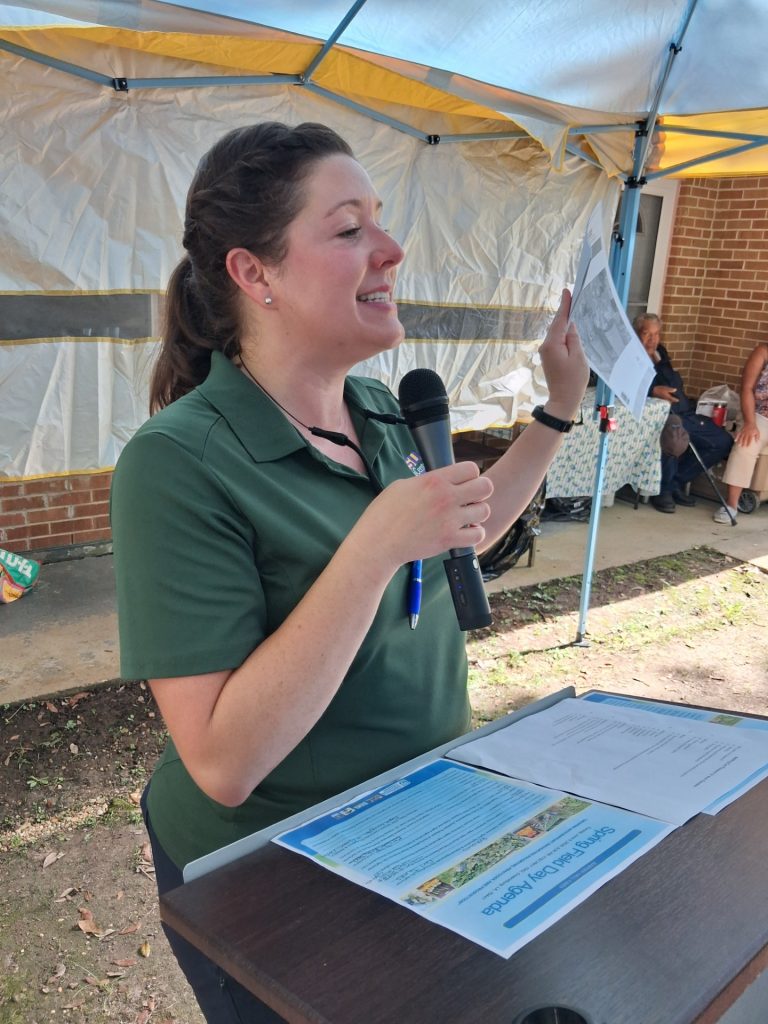
The Warner Hall Farm Spring Field Day commenced at 9:30 AM, marking the beginning of a day dedicated to agricultural education and community engagement. Ms. Jesse Hoover, Extension Agent for Agriculture & Natural Resources (Horticulture) at LSU Agriculture Center, served as the Mistress of Ceremony, guiding attendees through the program with professionalism and enthusiasm.
The event opened with a prayer led by Mr. Carl James, setting a thoughtful and respectful tone for the day. Following this, Mr. Frank Taylor, Director of the Winston County Self-Help Cooperative (WCSHC), delivered a warm and heartfelt welcome, expressing gratitude to all participants and emphasizing the importance of community support in agricultural practices.
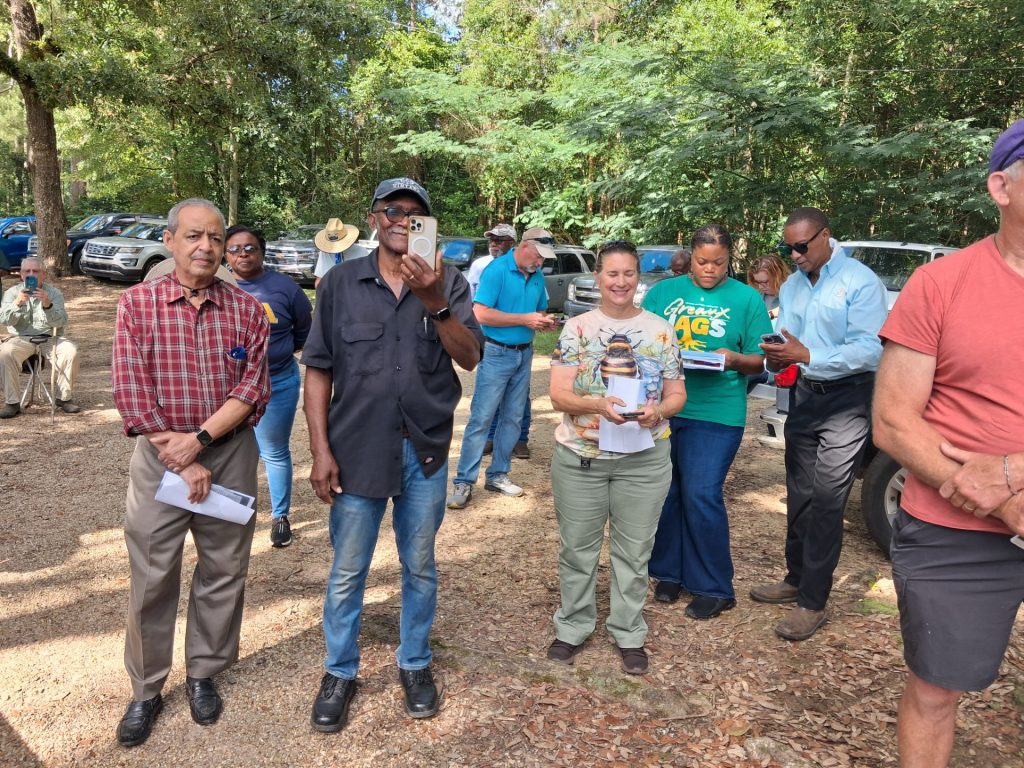
Ms. Hoover from LSU AgCenter discussed the benefits of incorporating cut flowers into gardens. She highlighted their beautiful appeal and their potential to generate additional income, as bouquets can be sold or given as gifts. Cut flowers also serve a functional role by attracting pollinators such as bees and butterflies, which contribute to the health and productivity of garden crops. Worms are attracted to this beauty, also.
Among the varieties mentioned, zinnias and sunflowers were emphasized for their ease of growth and minimal maintenance requirements. Ms. Hoover explained the importance of knowing when to cut flowers to maximize their quality and longevity. She also provided attendees with website resources for further information on effectively cultivating cut flowers and where to purchase them.
Dr. Colton Blankenship, Assistant Professor of Horticulture & Weed Science at LSU AgCenter, presented an informative overview on effective weed management for watermelon crops. He began by stressing the importance of starting with a clean field, free from all weeds prior to planting. This initial step is essential for creating optimal conditions for growth.
Dr. Blankenship emphasized that weed control is particularly critical during the first month after planting, as young watermelon plants are most vulnerable to weed competition at this stage. He identified three main types of weeds commonly encountered: bittercress, sedges, and crabgrass. Each of these weeds poses specific challenges to crop health and yield.
In addition, Dr. Blankenship underscored the necessity of carefully reading the labels on herbicide and pesticide packaging before purchase and application. It is important to verify that
the product is suitable for use on plants, and to ensure that the pre-harvest interval (PHI) is safe for consumption. This practice helps maintain both crop safety and consumer health.
Dr. Mary Helen Ferguson, Extension Agent for Agriculture & Natural Resources at the LSU AgCenter, delivered an informative presentation on the “Cotton Jassid,” an insect pest recently affecting vegetables, with a particular emphasis on okra. She explained that this pest was first reported in Louisiana in October 2025 in Tangipahoa Parish, and highlighted that she had personally observed its presence on her own okra plants.
Dr. Ferguson stressed the importance of awareness to attendees about the Cotton Jassid and the types of damage it can cause to vegetable crops. To aid in identification, she shared photographs of both the insect and the characteristic damage it inflicts on plants.
In addition, Dr. Ferguson provided a list of recommended insecticide options that are suitable for use on vegetables to manage and control infestations effectively.
Mr. Corneilus Jackson, Extension Agent at Southern University AgCenter, provided an informative overview of Hibiscus Roselle. He highlighted that this plant is known for its rapid growth and notable drought resistance, making it an appealing option for growers in challenging environments. During the presentation, growers in attendance had the opportunity to sample hibiscus juice. Additionally, recipe handouts featuring instructions for preparing hibiscus tea and jelly were distributed, offering practical ways to utilize the plant.
Ms. Isabel Zebeck, Interim Parish Chair and Nutrition & Community Health Agent, emphasized the importance of maintaining a healthy diet. She pointed out that fruits harvested in season tend to be sweeter and more flavorful. To illustrate her message, Ms. Zebeck conducted a live demonstration on how to make a fresh fruit salad, showcasing a simple and nutritious way to enjoy seasonal produce.
Attendees participated in a garden tour, where they observed a diverse selection of growing vegetables, including corn, cabbage, watermelons, hibiscus, and others. This provided an opportunity to see various crops in different stages of growth and to appreciate the range of produce cultivated in the garden.
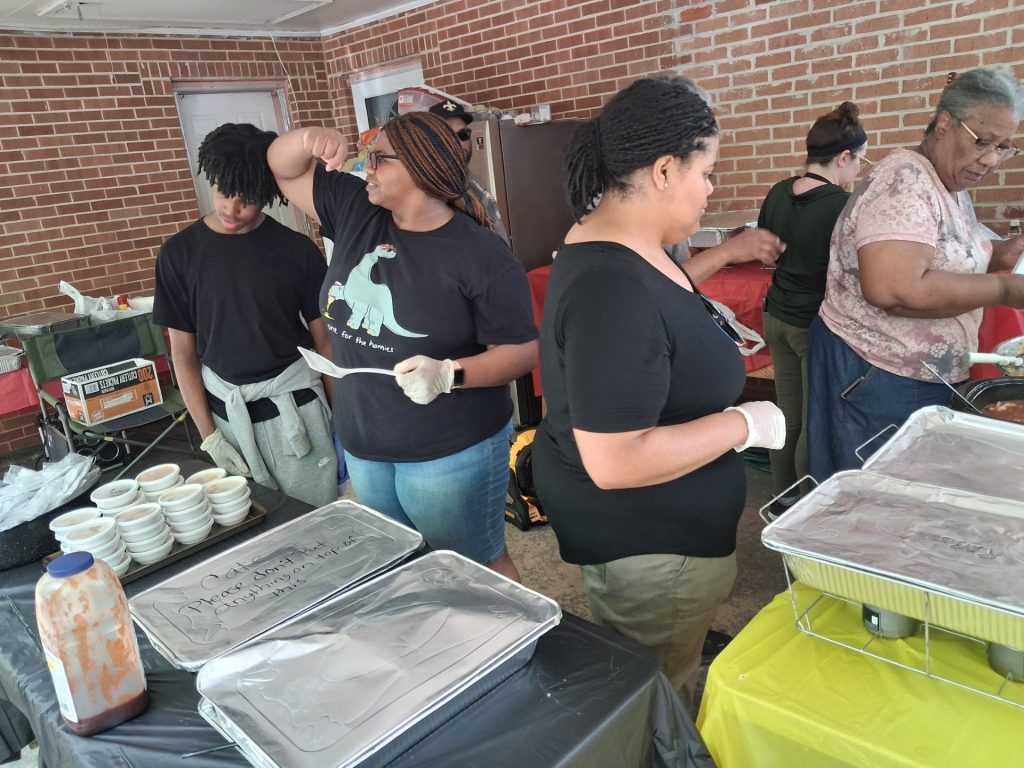
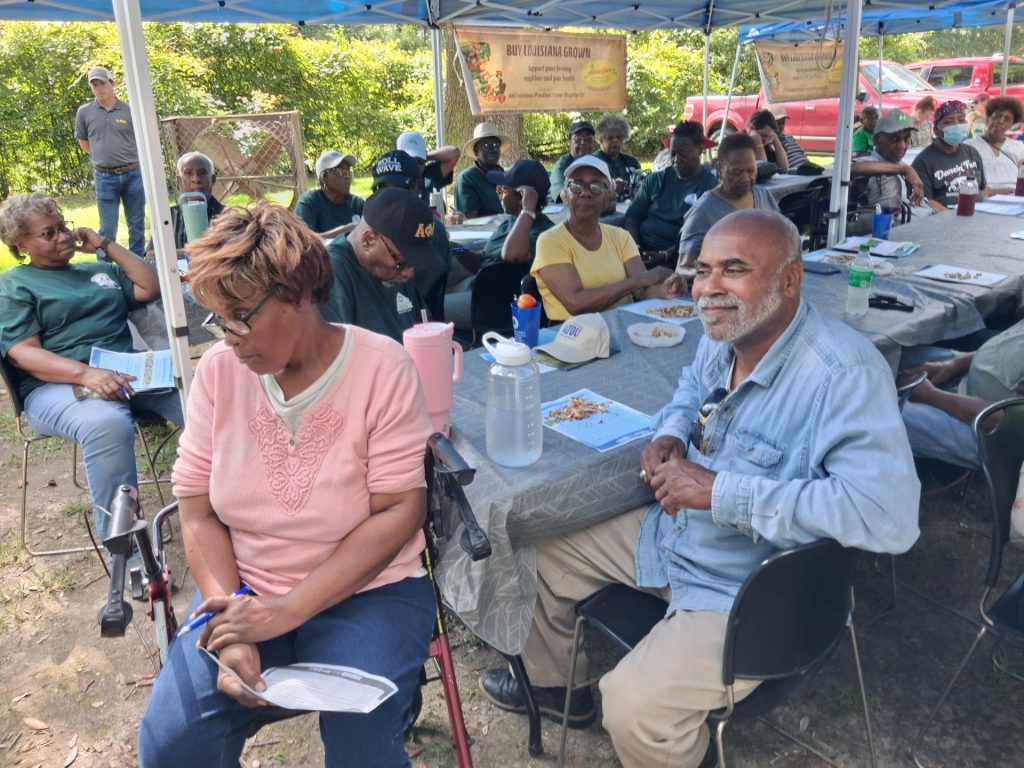
The field day concluded with attendees enjoying a delicious meal together, which provided an opportunity for fellowship and networking among participants, allowing everyone to connect, share experiences, and strengthen community ties.