A F.A.R.M. Resource Gathering
Event Narrative & Impact Report
Prepared by Aerhealle Chace
Fourtee Acres Resource Market (F.A.R.M.) hosted our second annual Cultivating Communities & Connections:A F.A.R.M. Resource Gathering with a goal that was both simple and important: bring farmers, landowners, agricultural resource providers, entrepreneurs, and community partners into the same space and create opportunities for meaningful connections. The gathering was designed around the understanding that rural communities do not lack knowledge, experience, ideas, or determination. What is often missing is the opportunity for people to find one another; to connect a landowner with a resource, a farmer with technical assistance, an idea with someone who has experience implementing it, or a community need with an organization positioned to help.
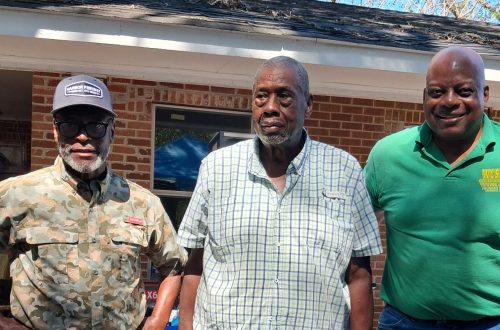
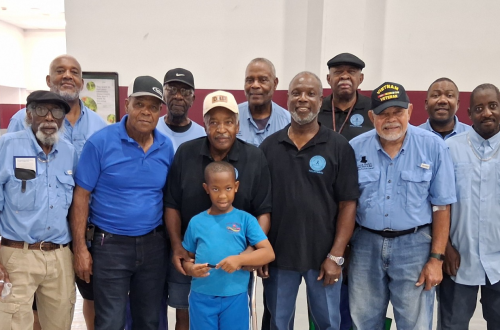
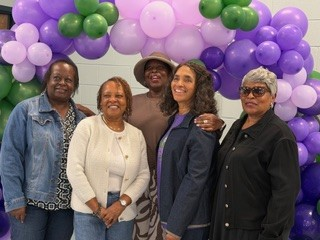
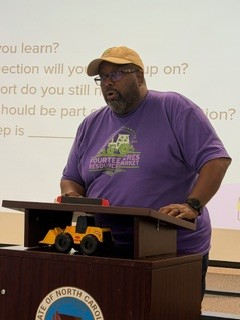
Interest in the gathering demonstrated the need for this type of space. Although 25 people registered in advance, approximately 40 ultimately attended. The turnout brought together farmers, landowners, resource providers, F.A.R.M. Board members, community organizations, entrepreneurs, and others invested in the future of rural communities. The day began with a moment of remembrance for fellow farmer Richard Hewlin of 4-Ever Vista Farm, acknowledging his passing and honoring his connection to the agricultural community. From there, F.A.R.M. founders Mrs. Edna Williams and Mr. Tyrone Williams welcomed participants and helped establish the spirit of the gathering: one centered on community, shared knowledge, relationships, and the belief that stronger connections can create stronger rural communities. That message was carried forward by Dr. Frank Taylor of Winston County Self Help Cooperative, whose featured address became one of the defining moments of the gathering.
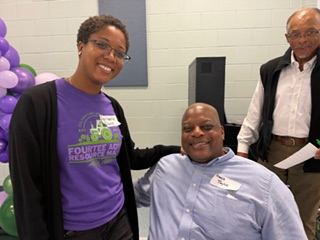
Dr. Taylor reflected on his own humble beginnings and connected his personal journey to the realities and potential of rural communities. His message, “Save Rural America,” challenged participants to think beyond the boundaries of individual farms or communities. The future of rural America, he emphasized, matters to the future of the country as a whole. His humorous and energetic delivery brought both laughter and reflection, but underneath it was a serious call to action. Strong rural communities require work. They require persistence. Most importantly, they require people who are willing to build relationships and work together. The impact of his message continued beyond the presentation itself. When participants were later asked what they would like to see at a future gathering, two specifically requested that Dr. Taylor return. His message also provided a natural transition into the interactive portion of the gathering, where participants had an opportunity to put the idea of connection into practice.
Participants were invited to talk with one another about what farmers, landowners, entrepreneurs, and rural communities need in order to thrive. The challenges identified were substantial. Participants discussed transportation, infrastructure, guidance and mentorship, and the need for greater state, federal, and capital investment. These concerns reflected the reality that successful farms and healthy rural communities depend on much more than the ability to grow food or manage land.
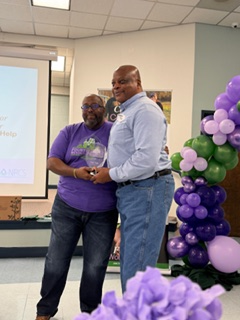
The conversation, however, did not stop with what was missing. Participants were challenged to look around the room and identify what was already present. Among those gathered were people with knowledge of forestry, agritourism, heirs’ property, entrepreneurship, food production, land stewardship, upcoming programs and events, technology, community development, and practical farming skills. It became obvious how someone might arrive looking for guidance in one area while simultaneously possessing knowledge that another person needed. The activity helped reinforce one of the central messages of the day: often, the solutions are already in the room; the work is making the connections. That idea was not simply an observation made by event organizers. Participant evaluations later demonstrated how strongly the networking component resonated. Of the 31 people who completed an evaluation, 13 specifically identified networking, making connections, or having access to a wide variety of information and resources as one of the most useful aspects of the gathering.
Those connections were strengthened by a diverse group of resource providers. Participants had access to representatives and information from Winston County Self Help Cooperative; Roanoke Cooperative Sustainable Forestry and Land Retention Project; Halifax County Cooperative Extension and Farm Service Agency; Help for Landowners; Edgecombe County Cooperative Extension; Global Resources Opportunities Network (G.R.O.W.); Jade Rose Technology; and Gratitude Farm and Retreat. Together, these organizations brought experience related to agricultural programs, forestry, land retention, technical assistance, entrepreneurship, technology, agritourism, and rural community development. Farmers and rural landowners rarely experience challenges in isolation. A person working to maintain family land may simultaneously need legal assistance, forestry guidance, information about federal programs, infrastructure funding, business support, or help determining what opportunities are available to them. Bringing multiple organizations together created an opportunity for participants to explore several of those needs without having to independently navigate disconnected systems.
The evaluation results suggest that participants recognized this value. Nine respondents specifically identified FSA, USDA, or Cooperative Extension information as particularly useful, while G.R.O.W. and Jade Rose Technology were also singled out as valuable
resources. More broadly, all who completed an evaluation agreed or strongly agreed that they left with a better understanding of local resources available to them. Of the 31 participants who completed evaluations, 29—approximately 93.5 percent—reported making at least one new connection that they intended to follow up with after the gathering. The goal was never simply to get people into the same room. Success meant helping participants leave the room knowing someone they did not know before, discovering a resource they could use, or identifying a relationship worth continuing. By that measure, the gathering produced a meaningful result.
The evaluations also gave F.A.R.M. an opportunity to listen: participants asked for additional support related to forest diversification, fire breaks and land management, food production, farm and business finances, infrastructure, heirs’ property, funding, legal assistance, program development, social media, veterans’ programs and grants, production costs, and the costs associated with owning and maintaining land. These topics offer a clearer picture of the network of support that farmers and landowners need.
Participants also had clear ideas about what they would like to see if Cultivating Communities & Connections returns: many simply wanted more- more people, more farmers, and more resources. One participant captured that sentiment in three words: “repeat is reinforcement.” Others asked for greater involvement from youth and younger generations in agriculture, as well as resources addressing climate change and its effects on farming, water quality and environmental issues, solar programs, specific funding opportunities, septic and well funding, digital connectivity, and agricultural law and attorneys. Participants also requested representation from NC A&T. Participants appear to see value in the model and want it to grow.
Throughout the day, participants moved between being people who needed resources and people who possessed resources. Farmers were able to learn from organizations, but they could also learn from other farmers. Landowners could identify professional assistance while sharing their own experiences. Resource providers could connect with the people they exist to serve while also learning more about the needs emerging within rural communities.
These exchanges helped demonstrate an important role for F.A.R.M- we do not have to become the expert in every issue facing farmers and landowners. F.A.R.M. can instead continue developing its role as a convener and connector: identifying trusted partners, bringing resources closer to the communities that need them, creating spaces where relationships can develop, and listening closely enough to community members to know which connections need to be made next.