written by: Elaine Hobson
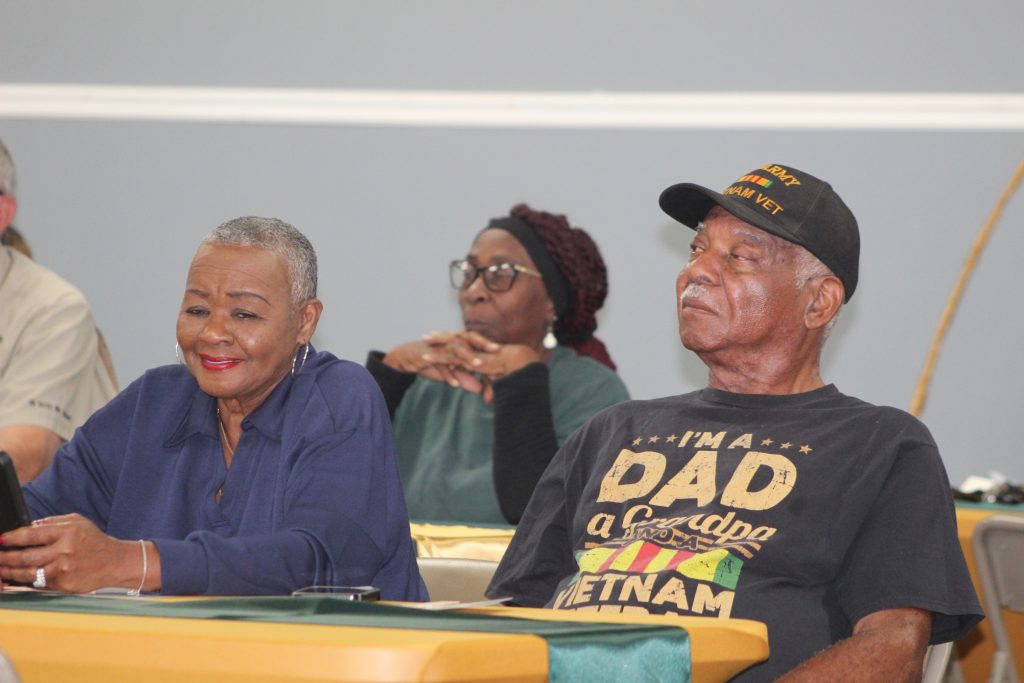
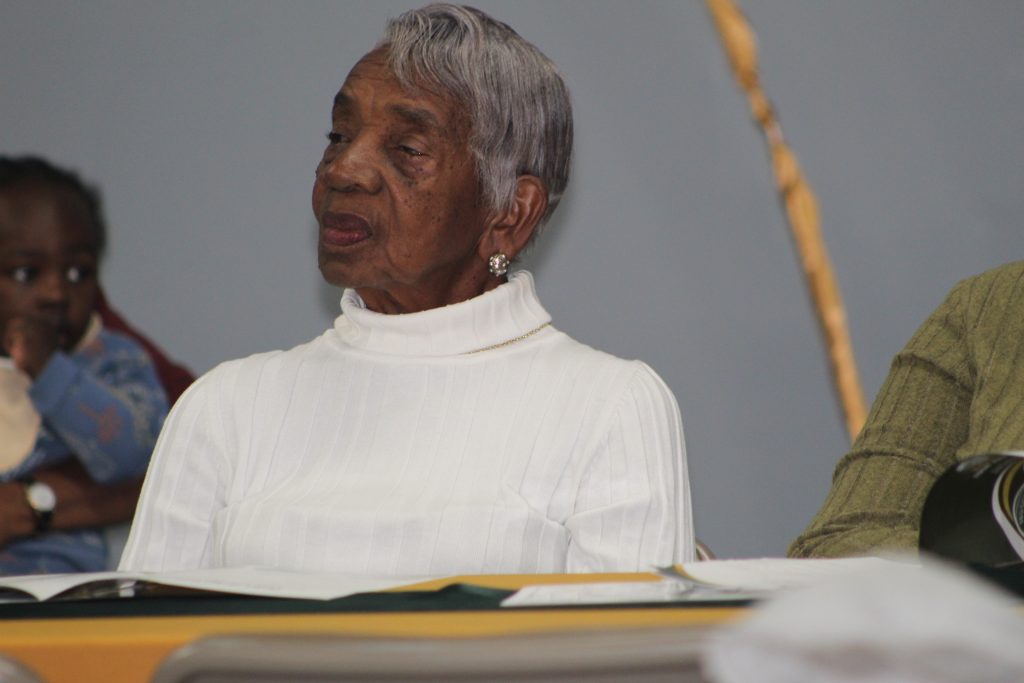
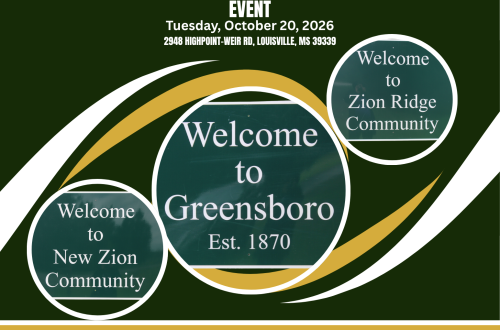
On October 20, 2026, the Winston County Self Help Cooperative (WCSHC) hosted an agritourism and farm-to-table tour highlighting the history, farms, churches, former schools, and businesses of the Greensboro, Zion Ridge, and New Zion communities. Guided by the theme “Our Land, Our History, Our Future—Help Save Rural America,” the tour connected local heritage with opportunities to strengthen rural communities.
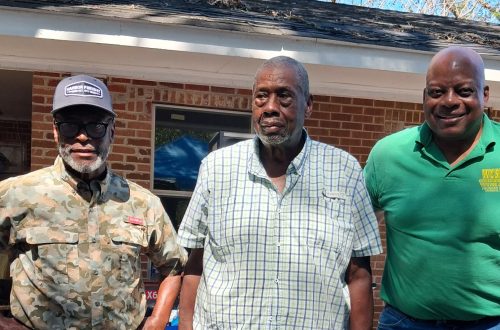
Agritourism brings visitors to farms for educational and recreational activities that can generate income, while farm-to-table practices connect consumers with locally grown food. WCSHC team leader Mr. Frank Taylor explained that both approaches support the cooperative’s mission to strengthen the rural communities of Greensboro, Zion Ridge, and New Zion.
The tour began at the former Greensboro Church and School site, where WCSHC team leader Mr. Frank Taylor welcomed participants, and Evangelist Cornelia Coburn delivered the prayer.
Ms. Elaine Hobson shared Greensboro’s history as an African American community established around 1870 in Winston County, Mississippi, by formerly enslaved families. Early residents included the Head (also spelled Headd), Miller, Austin, Cooper, Brown, Coleman, Clayborn, Goss, Triplett, Yarbrough, Staple, and Graham families, who worked in agriculture, livestock, timber, and trades. Records from the late 1920s show that Greensboro residents strengthened their agricultural knowledge and community connections by joining 4-H clubs, attending county fairs, and participating in agricultural projects. At that time, county fairs largely featured agricultural projects and demonstrations of homemaking skills. In 1936, G. A. Woodward, Solon Miller, Daniel Head, William Cooper, Henry Miller, Maben Austin, and others petitioned for a road to Greensboro Church. In 1953, the Rev. Vasco Headd and others thanked county leaders for a road through Union Chapel Church and Zion Ridge School. Brother Joseph “Little Joe” Miller and other leaders built a community center in the early 1970s. In the late 1980s, Frank Taylor, Ms. Dorothy Faye Cistrunk, and others secured paved roads, road names, and house numbers to help emergency personnel locate homes. In the early 2000s, Greensboro resident Mr. Arvin “Puck” Colter was believed to be among the last people in Winston County still hauling timber by mule and wagon. Although the church and school no longer stand, Greensboro’s legacy continues through its families, memories, and motto: “One Place, One Family.”
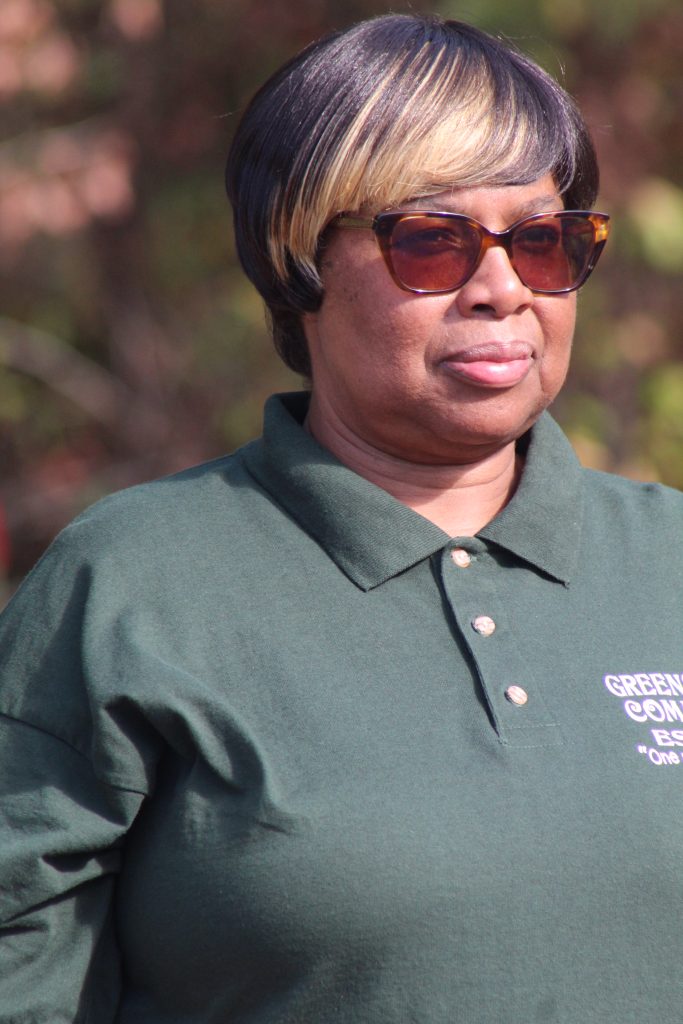
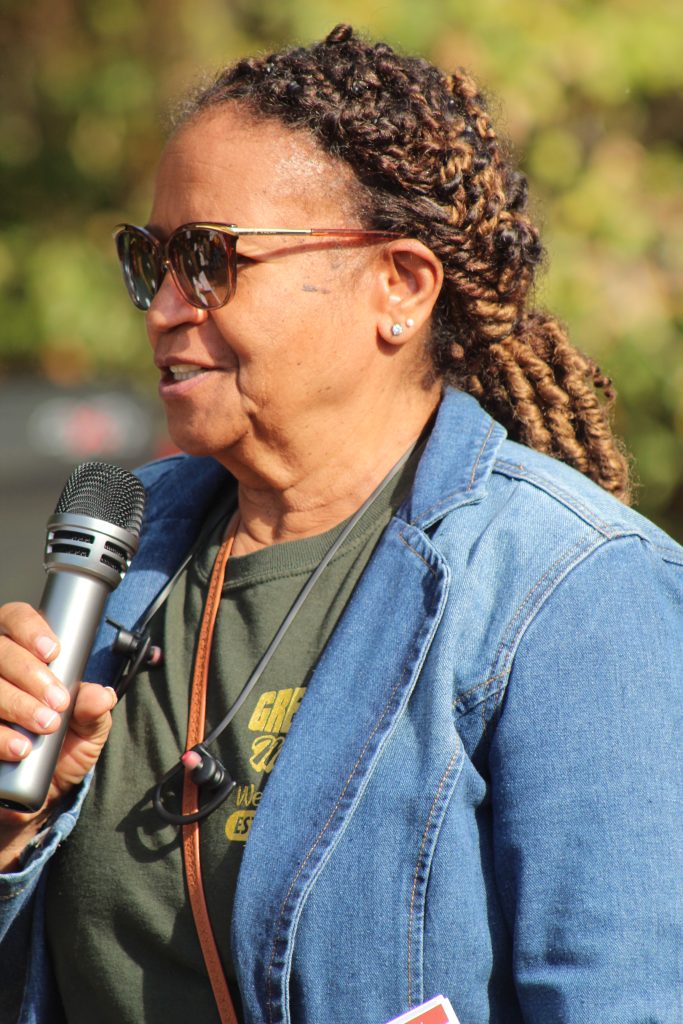
Ms. Glendia Cooper shared the history of Greensboro Christian Methodist Episcopal Church, tracing its roots to the Colored Methodist Episcopal Church, established in 1870 as an independent denomination for African American Methodists after emancipation. An 1884 deed documents the transfer of land to build Greensboro church. The congregation later became part of the denomination’s Fourth Episcopal District, led by Bishop Kenneth W. Carter, the 55th bishop of the C.M.E. Church. Educator Gabrella Austin was a notable member who joined the Greensboro congregation in 1900.
Union Chapel Missionary Baptist Church is another important Greensboro church. Its early members worshipped outdoors at a Fairview Baptist Church gathering site until donated land allowed them to build a church and later relocate to the present Union Chapel Road site. The first burial in Union Chapel Cemetery occurred in 1918, before the first church building was built.
Ms. Maxine Coburn presented the history of Greensboro School. A published Winston County history, citing an oral account by the Rev. J. W. Byrd, states that Cicero Miller organized the school around 1885. However, the publication does not describe the roles of Greensboro Colored Methodist Episcopal Church, local families, or other community members in establishing the school. Additional research is needed to document the school’s founding history. The earliest newspaper article the research team found describes the 1920–1921 school year, when Alex Head and an assistant taught 45 students. As enrollment increased, the Colored Methodist Church provided classroom space while school officials and residents sought Rosenwald funds for land and a larger school offering agricultural and industrial courses. Superintendent E. C. Lavorn authorized another teacher, and by 1926 the faculty included Professor Alex Headd, Daisy Headd, and Emma Clay. In 1929, the Rev. J. W. Byrd moved to Louisville, where he became pastor of the Colored Methodist Episcopal Church and accepted the position of superintendent of Greensboro School. A groundbreaking for a new school took place on September 27, 1932. The following month, the Rev. J. W. Byrd placed an ad in The Winston County Journal seeking help to fund and equip the school for more than 200 students. The completed school was considered one of Winston County’s best-looking schools for colored students. In 1958, Wilbur Lewis taught grades 6–8, Susie Harrington taught grades 3–5, and Sallie Mitchell taught grades 1–2. The School Board voted to dissolve county schools in 1960. By March 1961, a 45-room Louisville high school was under construction, and Greensboro School closed in 1962.
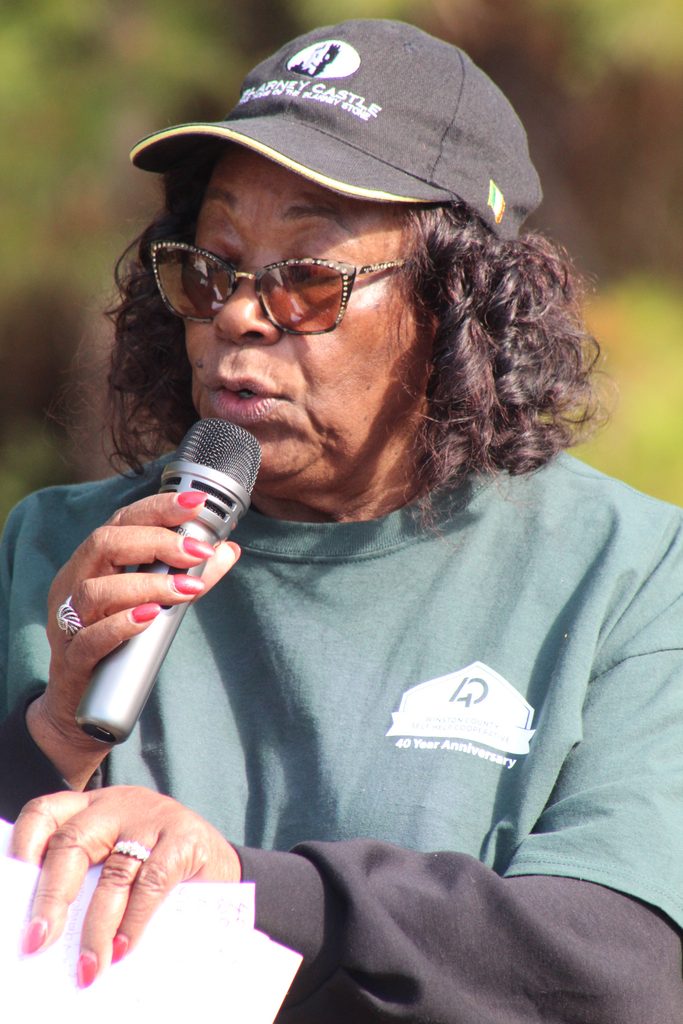
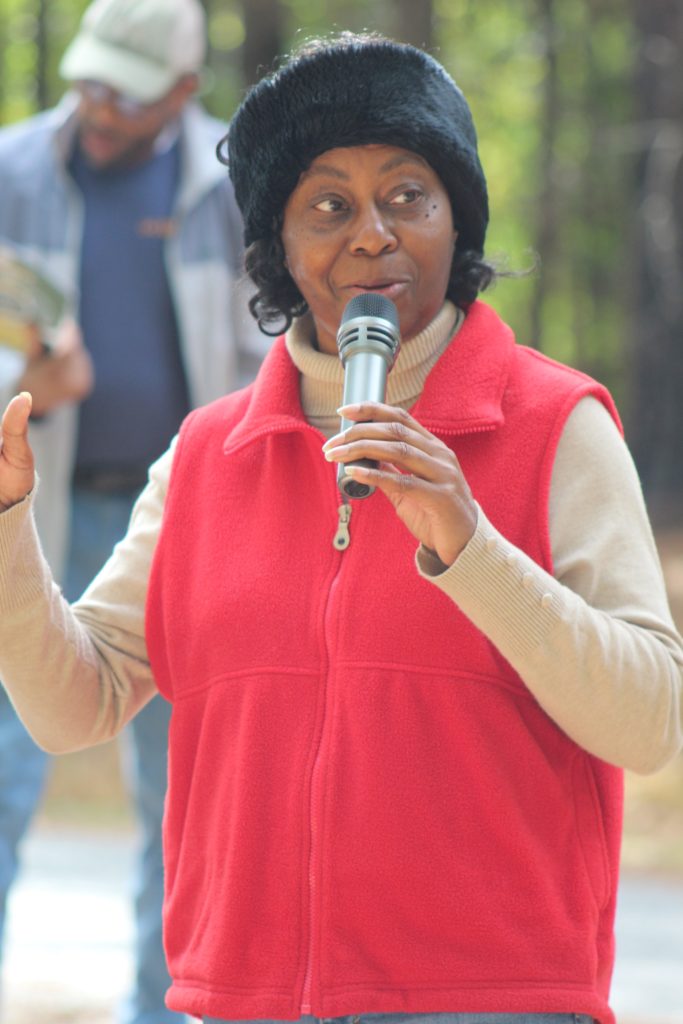
At Zion Ridge, Ms. Annie Goss Thomas recalled her father, Lewis Goss, a respected businessman whose molasses mill served Zion Ridge residents and the Louisville area. Customers received molasses or had their sugar cane processed in exchange for goods or services. In a February 15, 1973, newspaper article, Ms. Thomas said her father and several other men built the mill around 1948. Workers stripped and detasseled the cane, then pressed it between two iron rollers to extract the juice. The mill was busiest in late August and early September, when demand for sorghum molasses exceeded demand for Louisiana molasses. Although Ms. Thomas was too young to work at the mill, she carried supplies and sometimes stirred the molasses. She also remembered her father driving neighbors to church, downtown, and county fairs, and she recalled how neighbors shared food and cared for one another like family. Mr. Lewis Goss died in January 1983 at age 96.
Mr. Carey Miller presented the history of Zion Ridge and its school. Formerly enslaved families founded the close-knit community in the mid-1870s. The community’s founding families carried the surnames Ashford, Brown, Coleman, Davis, Goss, Head, Johnson, McMillian, Miller, and Steele. It had a school, basketball teams, and Black-owned businesses. Arthur “Dad” Davis and his wife, Estelle, operated a general store. Davis owned Winston County’s first Black-owned lumber mill, and Estelle served as a midwife. Residents worked as farmers, cooks, quilters, and seamstresses, while Lewis Goss operated a molasses mill. In the 1970s, Minnie Jobe donated land for the Zion Ridge Community Center, which hosted fundraisers, gospel singing, revivals, and youth programs. It still hosts events and serves as Winston County’s Beat 4 polling station. Zion Ridge continues serving through cooperation, guided by its motto: “Don’t talk about it—be about it!”
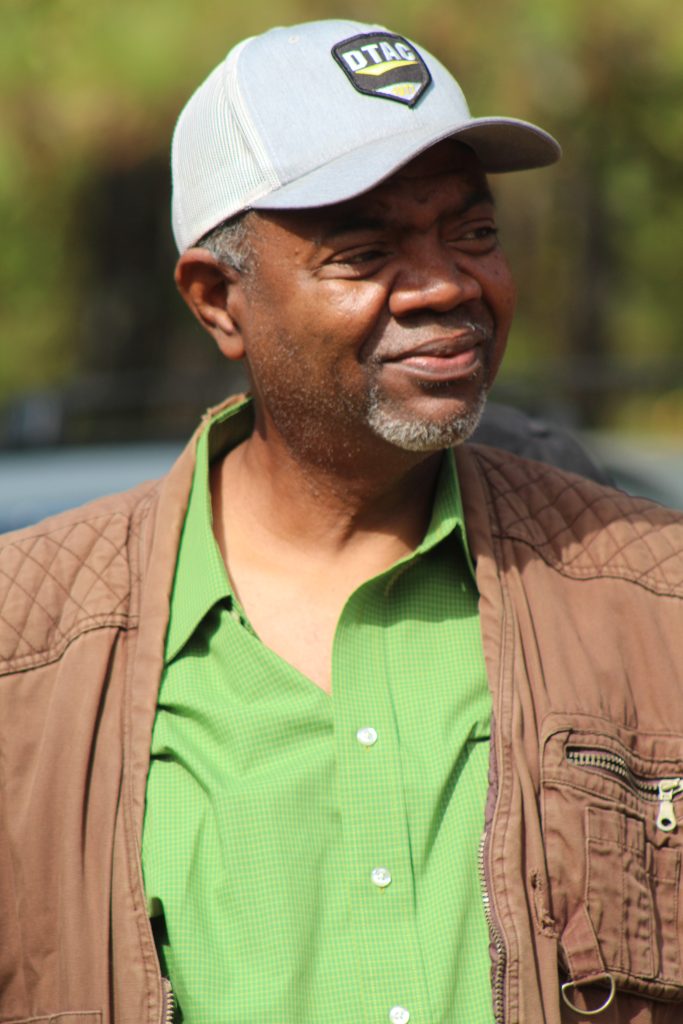
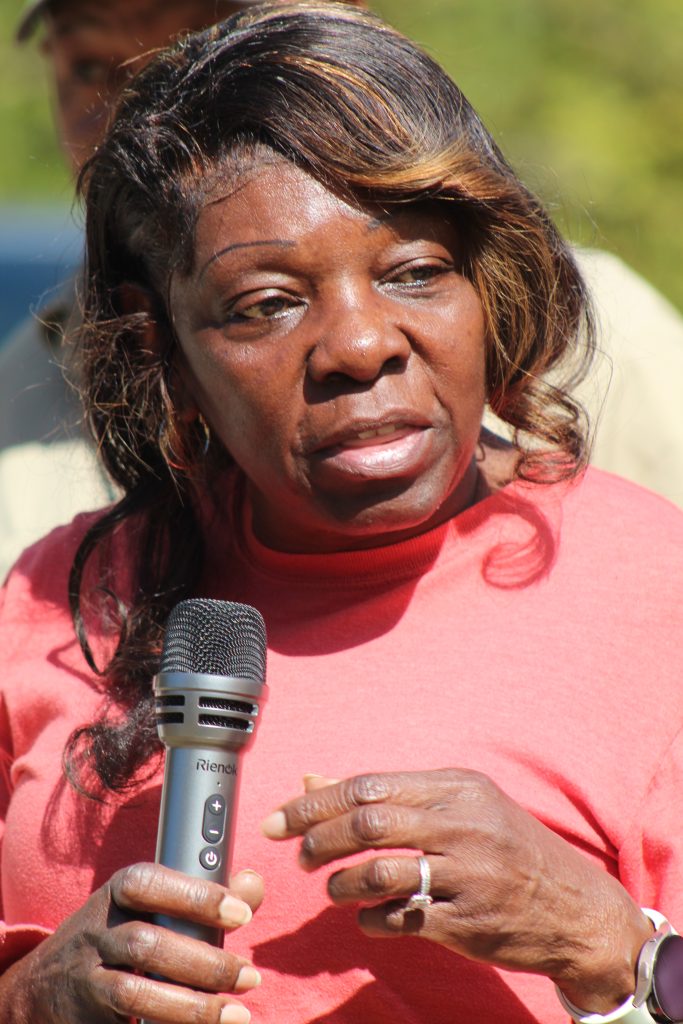
The New Zion tour and WCSHC program took place at the Winston County Self Help Cooperative campus, 2948 Highpoint-Weir Road in Louisville, Mississippi. Ms. Linda Miller described New Zion as “a great place to live.” Early families included the Millers, Browns, Stephenses, Colemans, Gosses, Hannahs, Gladneys, Nortons, Wraggs, Ashfords, Holmeses, Davises, and Tripletts. Before the original New Zion Missionary Baptist Church burned, it operated a pre-Head Start program, where Ms. Miller assisted the head cook, Ms. E. J. Miller, in the kitchen. Although a new church building now stands, New Zion Missionary Baptist Church celebrated its 100th anniversary in May 2026, marking a century since the congregation was established. Ms. Miller recalled a library, two baseball fields, four cafés, a candy store, the first community taxi service, the New Zion Cats and Kittens baseball teams, a few bootleggers, and her mother, Ms. Catherine Miller, the first beautician she knew. The community had two farriers, Mr. Jack Goss and Mr. Tellie Holmes, who trimmed horses’ hooves and fitted them with horseshoes. Families grew cucumbers and cotton, worked together, shared food, and ensured everyone had enough. New Zion produced teachers, nurses, preachers, and coaches. Today, David’s Recreation Center, operated by Mr. David Goss, hosts community events. Its motto teaches that coming together is a start, staying together is progress, and working together is success.
After the community tour, President Frank Taylor opened the formal program. Communities Unlimited Healthy Foods Coordinator Ms. Brenda Williams then introduced guest speaker Dr. Darryl Jones, Mississippi State University Extension professor with the Department of Wildlife, Fisheries, and Aquaculture.
Dr. Jones explained that the Natural Resource Enterprises Program helps landowners earn income from land, water, and wildlife while supporting conservation and rural communities. Opportunities include hunting, fishing, and duck leases; trails; wildlife watching; camping; horseback riding; outdoor education; farm tours; festivals; guided tours; shooting sports; 3D archery; bed-and-breakfast stays; and seasonal outdoor music events. He also discussed habitat management, business planning, safety, marketing, and MSU resources. To reduce risk, he advised landowners to use written leases covering activities, fees, duration, rules, responsibilities, and liability; inspect property; correct hazards or warn visitors; seek legal review of leases and waivers; and obtain liability insurance or a policy rider. Lessees may also need coverage. He concluded by answering questions. For more information, visit www.naturalresources.msstate.edu.
Mr. Purvie Green, Mississippi Farmers Market coordinator with the Mississippi Department of Agriculture and Commerce, wants more youth to attend agritourism events to learn about farming and help sustain food production. He explained that the Mississippi Farmers Market connects shoppers with farmers selling Mississippi-grown produce. He also noted that the department provides information about the state’s agritourism liability law and encourages landowners who host visitors to register for the state’s limited liability program and comply with its warning-sign requirements. For information or registration, call 601-359-1140.
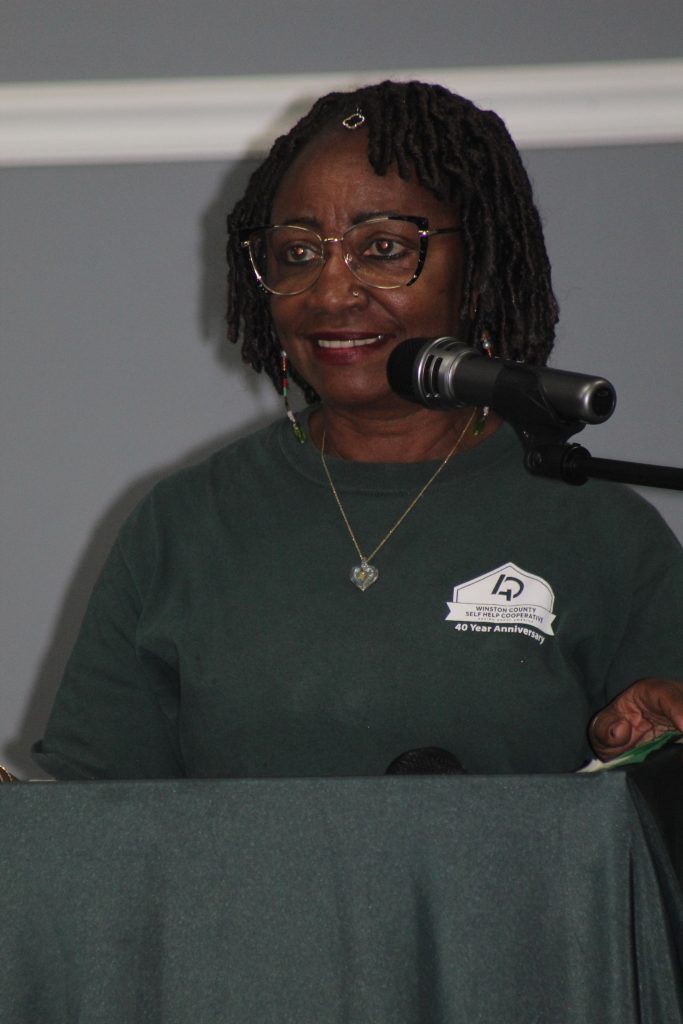
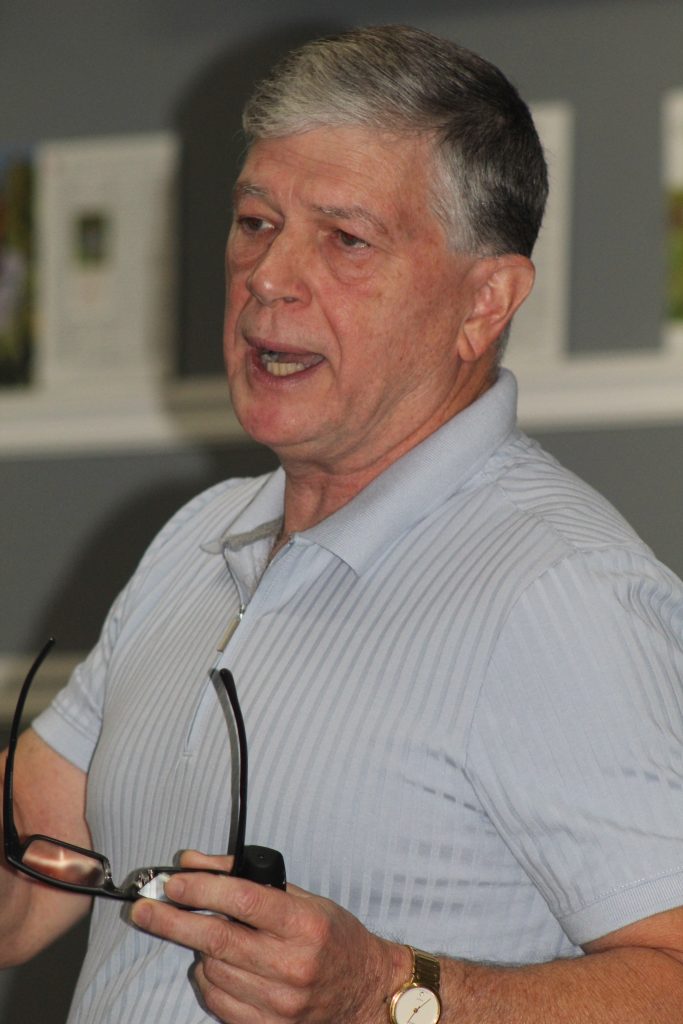
Ms. Brenda Williams and Ms. Amanda Eubanks of Communities Unlimited praised the historic sites, community connections, and family stories that enriched the tour. They thanked residents for sharing their agritourism heritage and the cooperative for inviting them to experience the community’s history and traditions.
Dr. T’arie Todman thanked Dr. Jones, Brenda Williams, the presenters, and the attendees. She reflected on what participants had learned from Dr. Jones about agritourism and recreation as sources of income, ways to increase property value, and methods for managing liability risks. She also encouraged similar events in the future.
Rev. Matthews offered a blessing for the meal and those in attendance. The WCSHC Food Committee and staff served a delicious meal prepared by Sharonne Cooper (Coop), Octavious Cobb (Duck), Shirley Gladney, Carol Hopkins, Emma Goss, and Arlexis Yarbrough. The menu included smothered venison, grilled chicken, collard greens, yams, cornbread, cornbread dressing, field peas, okra, sweet tea, lemonade, and water. As participants ate, they fellowshipped and reflected on the day’s tour.
The tour showed how Greensboro, Zion Ridge, and New Zion can preserve their heritage while creating new opportunities for rural growth. By sharing their histories and knowledge of the land, these communities can inspire future generations to protect and build upon their legacy.
In closing, the Cooperative thanked guest speaker Dr. Darryl Jones; Brenda Williams and Amanda Eubanks of Communities Unlimited; District 4 Supervisor Floyd Miller and Cardale Ellis for infrastructure improvements; the Food Committee; and Sheriff Mike Perkins and the Winston County Sheriff’s Department for their assistance. Their contributions helped make the tour a meaningful celebration of local history and community unity.