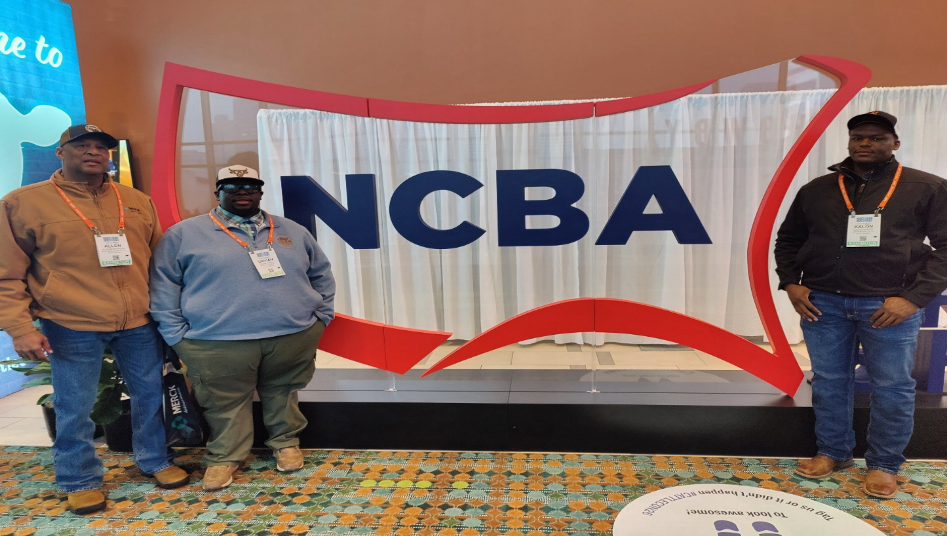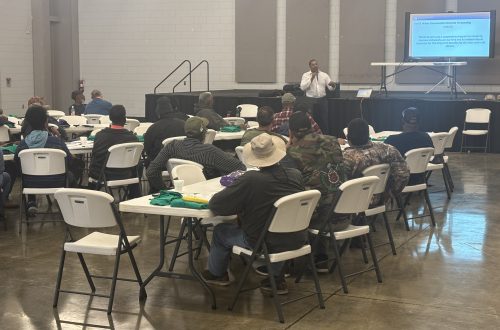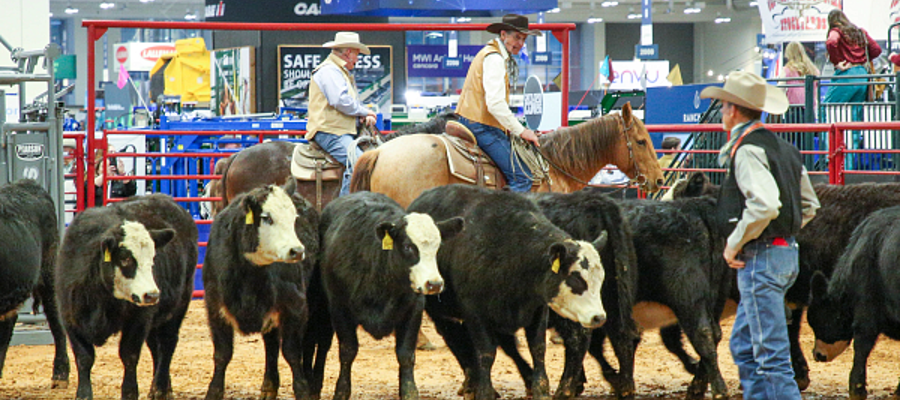
The recent CattleCon 2026 event in Nashville, Tennessee, exemplifies the scale and significance of the cattle industry in the United States and beyond. With nearly 9,000 participants, including cattle producers, industry partners, and stakeholders from various regions, the conference underscores the industry’s commitment to education, innovation, and collaboration. This annual gathering serves as a vital platform for knowledge exchange, networking, and strategic planning aimed at ensuring the sustainability and growth of the beef sector.
One of the notable features of this year’s event was the integration of Cattlemen’s College sessions into all registration options, emphasizing the industry’s focus on continuous education. These sessions covered a broad spectrum of topics, including genetic improvement, technological advancements, market trends, sustainability practices, herd health management, and succession planning. Such comprehensive educational offerings are designed to equip producers with the latest tools and knowledge necessary to navigate the evolving landscape of beef production.
Industry Perspectives and Key Learnings
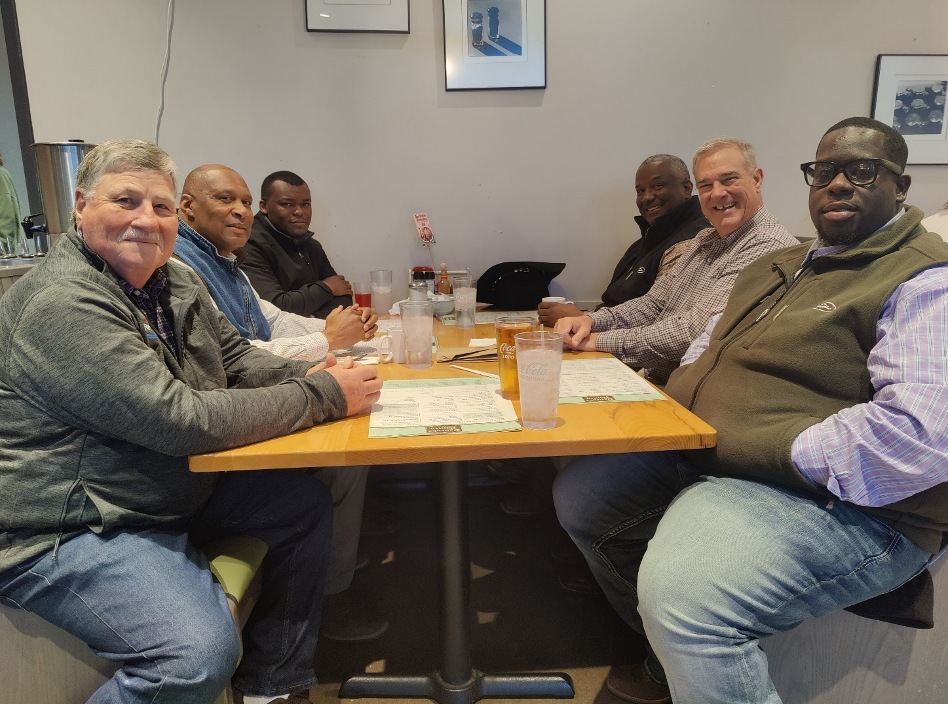
Attendees like Allen McReynolds expressed appreciation for the opportunity to participate in the conference, highlighting the importance of understanding the industry’s vast scope. McReynolds acknowledged that the event provided insights into the extensive support network involving private sector entities, government agencies, and research institutions that underpin beef production. He emphasized the industry’s vital role in global food security, providing a high-quality protein source essential for feeding a growing population.


Similarly, Davian Powell reflected on the collective dedication of industry participants, noting that the conference reinforced the notion that cattle production is more than an economic activity; it is a legacy built on stewardship, hard work, and a commitment to sustainability. Powell found value in the educational sessions addressing economic outlooks, market dynamics, environmental sustainability, and herd health. He appreciated the opportunity to learn from industry leaders about overcoming challenges such as environmental pressures, rising input costs, and maintaining herd productivity through innovative management practices and technological adoption.
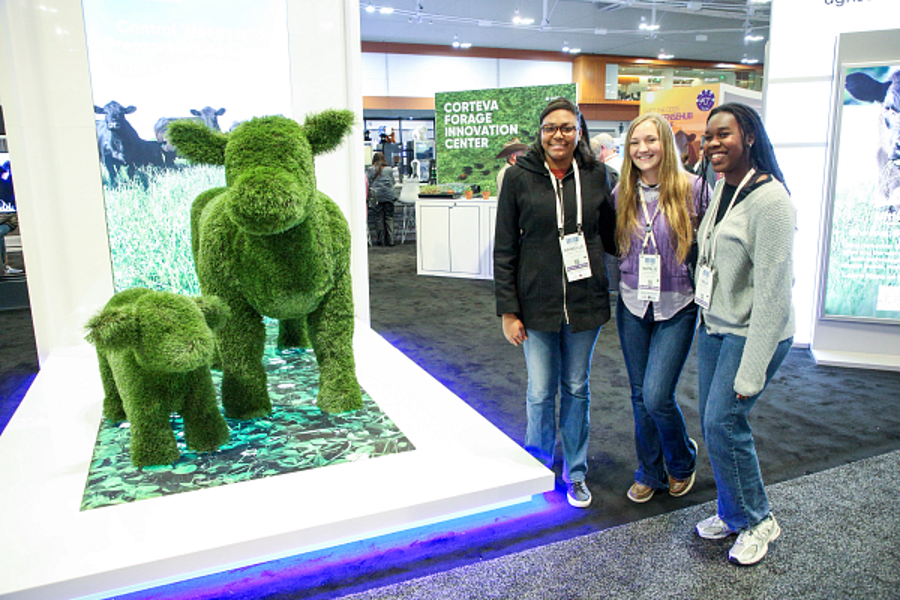
Powell also highlighted the importance of conservation practices, recognizing their potential to enhance land productivity and livestock performance. His engagement with exhibits and networking activities facilitated meaningful discussions on new tools and innovations that can improve operational efficiency. These interactions underscored the importance of ongoing professional development and industry connections for producers committed to responsible and sustainable beef production.
Industry Challenges and Opportunities
Kalon Johnson provided a perspective on the broader industry challenges, emphasizing the complexity of policy issues, animal health concerns, nutritional management, and marketing strategies. He observed that the event offered valuable insights into the efforts of the National Cattlemen’s Beef Association (NCBA) and its partners to promote beef demand, support producers, and address industry obstacles. Johnson noted that the exhibits and networking opportunities fostered new relationships and facilitated knowledge transfer, contributing to the sector’s resilience and growth.
The conference also featured a diverse array of courses designed to address specific industry needs. These included topics such as genetic tools for breeding better-adapted cattle, the integration of artificial intelligence in beef production, evaluating the benefits of larger cattle, and strategies for leadership and succession planning. Such educational offerings reflect the industry’s commitment to leveraging innovation and strategic planning to enhance productivity and sustainability.
Implications for Industry Stakeholders
The insights gained from CattleCon 2026 demonstrate the importance of continuous learning and adaptation in the beef industry. Producers are encouraged to adopt new technologies, implement sustainable practices, and engage in professional development to remain competitive. The event also highlights the significance of collaboration among industry stakeholders, including researchers, policymakers, and market participants, to address challenges and capitalize on emerging opportunities.
Furthermore, the conference underscores the industry’s role in global food security and environmental stewardship. As consumer demand for beef continues to grow, the industry must balance productivity with sustainability, ensuring responsible resource management and animal welfare. The integration of innovative practices, such as genetic improvement and conservation techniques, will be critical in achieving these goals.
In conclusion, CattleCon 2026 served as a comprehensive platform for education, networking, and strategic planning within the beef industry. The event reinforced the sector’s resilience, highlighted ongoing challenges, and showcased innovative solutions. Participants departed with renewed motivation, valuable connections, and a deeper understanding of their roles in shaping the future of beef production. As the industry continues to evolve, such gatherings will remain essential for fostering collaboration, advancing knowledge, and ensuring the sustainability of cattle operations worldwide.